
The Licensing Exchange Ep. 11: From Music to Brands: Licensing Compliance Expert Marty Malysz on Scaling Global Licensing
How does compliance software scale licensing for global brands—and what role will AI play?
In Episode 11 of The Licensing Exchange, hosts David Schnider and Greg Pan welcome Marty Malysz, President and Founder of Dependable Solutions, for a conversation about the infrastructure powering modern brand licensing at scale. With three decades in IP licensing—from music to consumer products to sports—Marty brings a unique perspective on how the industry has evolved and what's driving it today.
Together, they explore how compliance software becomes essential when licensing moves beyond a handful of deals to dozens or hundreds of active agreements, why "size matters" in determining when automation is critical, and which industries are seeing the most value from structured licensing programs. Marty shares practical insights on managing product approvals, royalty forecasting, and multi-party workflows across licensors, licensees, agents, and manufacturers. They also discuss AI's growing role in compliance—from multi-language translation to counterfeit detection—and the limitations businesses should keep in mind when relying on AI tools.
Whether you're building a licensing program from scratch, scaling an existing one, or curious about how brands manage intellectual property across global markets, this episode offers a masterclass in the systems and strategies that keep licensing compliant, profitable, and sustainable.

The Licensing Exchange Ep. 11:
Podcast Transcript:
Announcer: You're listening to the Licensing Exchange, part of the Look Legal pods from the law firm Nolan Heimann lawyers for creative business makers. And now, here are your hosts, attorneys David Schnider and Greg Pan.
David Schnider: Welcome to the Licensing Exchange podcast. My name is David Snyder. With me is my co-host, Greg Pan. Hey, Greg.
Greg Pan: Hi, glad to be here.
David Schnider: We have an exciting guest. We have Marty Malysz, who is the president and founder of Dependable Solutions and a longtime leader in licensing automation. For more than and excited about it. For more than 30 years, he's helped brand licensing teams simplify royalties, approvals, and contract workflows. And he's also been active in the industry's educational side through efforts like the Licensing International Education Committee and Client-led Summit programming. Marty, we're happy to have you.
Marty Malysz: Great. Thanks, David, thanks, Greg. Thanks for having me.
David Schnider: So, I always start with the same question. I'm going to ask it of you. How did you end up in the licensing industry?
Marty Malysz: Like most people, I slipped and fell into it and I'm very happy I've been here for many decades. Right out of college I worked selling computers and I realized computers were boring, so I started working with vendors. My apparel manufacturing vendor that I worked with in downtown Los Angeles - we got to go all over the world, learn how the apparel was made. And then from that, I joined up with my fraternity brother from UCLA and we started a custom software shop. We went into music libraries, music clearance companies, eventually music publishers and record companies. So, I was very fortunate to be doing that for at least a dozen years. And then the music industry kind of fell apart and continued to decline for another ten, twelve years. So, I sold that business and they always ask, what are you going to do now? You got to start over again. That's what my wife told - asked me, I go, yeah right.
But this time, thanks to knowing the music industry, we picked the brand, consumer product licensing industry, is much bigger, healthier. It's 20 times the size of the music industry. Now, let me tell you, I still love music. I still love the music industry, had phenomenal success. But when the industry doesn't love you, you have to look for a bigger pond to swim in. And that's what we found in consumer product licensing. So, we immediately were a hit with all the sports in Australia, San Rio, a bunch of different companies that WWE are still companies today in this. We've been around for 21 years. And so been very fortunate to have a great track record in working in consumer product licensing for both brand owners, agents, and licensees.
David Schnider: So, tell us about dependent build solutions and what the software is and what it does.
Marty Malysz: Yeah, yeah, definitely. So, what we do is we are a compliance company. So, we help manage the brands that are licensed out and to all the different parties. And that's where the brand owner’s vetting and understanding and all the different aspects of approving everything that involves in getting a product to market, which is quite involved. And for major companies, most of our customers are large and private companies. We have small ones also. A very thorough process that has to be approved and checked everywhere along the line with the manufacturers, with the artists, with the specs, with the certificates, the security, all the different things that happen before a product can ever make it to market.
Then, of course, we do the financial compliance with forecasting and royalties that eventually someone either reports it out or receives it in. And the same goes with an agent. They really are outsourcing most of the time the brand owner's business so that they can do it more professionally at a fraction of the price. So, we call on the brand owners, agents, and licensees. And we're in 10 different countries. Fortunate to have 60 clients all over the world. Yeah, and so it's a great business.
David Schnider: So, it sounds like this is something that's used by licensors, licensees and agents. It's sort of everyone in the industry has a use for this.
Marty Malysz: Yeah, everybody touches the product, which means also on a single instance of our software, all of them log in at some point and do something to the approval or the product submission, the submission of forecast or royalties. Everybody gets involved. So many of these sites have hundreds, if not several thousands of users.
David Schnider: So, I'm guessing if you have a new licensee with a single license, it you know, you can probably manage that by hand. You don't need software, but is there a size at which that becomes unmanageable and software really makes a difference?
Marty Malysz: Yeah. Size matters. Yeah. No doubt. Well, and because we encourage everybody, a lot of people who are dabbling, and this includes major corporations who are more opportunistic with licensing. I won't mention names because they don't use systems like ours, because they don't do it strategically. That's fine. We're doing it for an event, maybe a FIFA event, or maybe a spring but if they want to do it consistently, a dozen or more licenses usually creates a demand because they have to deal with multiple different entities all like herding cats trying to get all the information together. But even large companies, large shoe brands and stuff, may only have a dozen licenses, but sometimes the licensees are a billion dollars. They might have thousands of products.
So, a small company can still use it if they're in the hundreds or thousands of products out there that are licensed. And as we know, licensing accentuates all sales, helps build a bit more shell space at retail. So, it sells through the unlicensed product as well as the licensed product, and that's what makes licensing so strategic for some companies. But some people are just reactive. They just sell a lot of product for some event.
Greg Pan: And they don't even sell for the licensed order that you're working with, where are they typically coming from?
Marty Malysz: What type of industries or countries or what?
Greg Pan: Yeah. What industries really typically coming from?
Marty Malysz: Well, we do really well in the gaming space. Game industry, as you know, is really more like a movie production studio. So, you've got Minecraft movies, Tetris movies, Sega movies, all kinds of… do you think they're a movie studio? They're a game company that has huge amount of content. Ubisoft's the South Koreans, they all have movies that come out, right? So, but they're game companies. So games is a huge market for us, sports is also a very large market for us. I'm going to have trouble tomorrow because I’ve got to root for Australia or US. Australia's our client. US is our country. And so yeah, so this will be obviously played. You'll know the score after this podcast. But the fun thing is we're - we've blessed with doing some Premier League teams, some La Liga teams, big ones, and so rooting for players on every single team. The other part is we do large fashion brands. That's a great market for us. Food brands is probably also one of our largest consumer product brand markets.
And we do a lot in automotive. And automotive licensing is by brand, by model, by year. So, it itself is the most complex of all licensing models. course we do with the agents, the brand owners, and the licensees. But those are some of our biggest markets. We're fortunate to work in about 10 different markets.
Greg Pan: Now for the licensors, they're typically using the same contract template and the same terminology across the board. But licensees when they have 20, 30 plus licensors, license agreements, they're all different. I mean the contract has similar aspects to it, but they have different terminology, different calculations. How do you capture all those differences? Is that more complicated for licensees?
Marty Malysz: Well, very carefully, of course. No, it's it is true. one would like to think that everybody uses the standard brand licensing contract. but depending on your recruitment models, your models if you're licensing all the way down to the retailer market level and by different categories split out. The models aren't really that complex, but the compliance of the models is. Because there's always diversion, there's always product, from good quality companies, it ends up in the wrong places. So, it's so for the brand owner, even though the contract's the same, it's managing the channels and the markets and in what what's been approved and reported. and when you have assortments where you have multiple products of yours and other brands in one product, how much of it is yours or somebody else's. So even though the contract standard, they're policing the activity that comes in. But a licensee has it the toughest, Greg, that's where a licensee goes hey Hasbro, hey Disney, hey Warner - how do you see the world? Because I have to report your way. And God forbid, someone says domestic or foreign. Like you got to be kidding me. What does that mean? But people do in contracts. And it's everybody who listens is the simplest usually are some of the worst because you should spell out every discrete territory. You should name the retailers because Walmart can be a mass producer or discount retailer, depending on the contract. It's the same Walmart. So that's why I say the licensees have the toughest because each brand defines how they need to be reported and how the recoupment model goes and the sales model. So physically it's the same thing, but nomenclature terminology, it's different. And that's what the systems do.
Greg Pan: Yeah, as lawyers we see the same thing. Like a five below, is it a discounter, is it a dollar store, is it a specialty store? It could be all three. Really depends on the licensor or how they define it. So, you have to kind of get the licensee to speak a new language.
David Schnider: So, I, you know, I sort of imagine that twenty years ago software was not so commonly used for complaints. Maybe I'm wrong about that, but have you seen a change over the last couple of decades and is software much more commonly used now for both licensors and licensees?
Marty Malysz: That's a good question. I would say that it is more thorough today than it was before. Before, going back, is more crude. Hey, do we have a license and is it in sell-off or has it been renewed? That was considered automated. You're like, woohoo! You know. Today it is because of sustainability and because of environmental standards, shipping, batteries, chemicals, things that are used in all of products as well as licensed products, it has become more thorough. So, the level of granular detail about the manufacturer, and if you switch manufacturers, you need to know who that was because that product was sold, and you may have a liability on it going back a couple years. So today it is more exacting, and that's how I'd say the big difference is, which means it's much harder to manage it manually. So, it's a better market today. Now, truth be told, we were able to charge a lot more twenty years ago. So, we had limited scope and it was bigger dollars. Today it's more common and thanks to AI and thanks to other things that are in the market, people's requirements, they're more aware that you have to have little details. All the little details matter. Yeah.
David Schnider: So, speaking of AI, that's obviously a very popular topic these days. I think we talk about it with almost every guest we have on the podcast. How are you see seeing AI being used in the industry and in compliance software in particular?
Marty Malysz: Well, it's great. Now I'll give you great and also it has warnings. We already implemented new features which includes language translations. So, we have clients that do business all over the world. And so, one of the challenges is do you have somebody that can read or write or speak that language? Using AI based resources plugins that plug into the base system our end, we have eight different languages that we hard-coded into the system. Kind of clunky and very challenging to update with our systems. By using AI, we can translate all that information to any different language, maybe 128, 150 different languages.
Of them, but most of them. But not some of these FIFA teams that you see playing this week. See, but the coolest the cool thing is the languages make it a much more useful product because someone can speak in Korean or Japanese and understand it in German or French and type it out and read it in English, and it's without really no effort because it's using the language translation AI model, the genetic model, to change those. So. there is some really positive things with AI. And then there's some clients that are don't allow AIs to be used, AI-generated images, and say a product approval. So, to detect those to the best of our ability, that to say, hey, was this an AI-based model using some of the style guide approved products that are trademarked or copyrighted?
So, there's an enforcement policy that goes along. AI is beautiful for enforcement, finding security holes and figuring out which ones are fakes, more than a human eye. So those are two aspects of things that are a beneficial use of AI and are greatly appreciated. Help documents and other things, yeah, we do those in with using AI because it makes it easier to find stuff. Just like you can ask a question and get an answer, it can help you reference different aspects on how to use this software, especially with seldom used features. That is good.
David Schnider: Yeah, I've seen even some of the software systems we use for our legal work, they're integrating AI tools. And in some ways, it's nice because you can ask a plain language search, give me a report on these trademarks, and it's really helpful, but I'm not always convinced it's right, which makes a little challenging.
Marty Malysz: It's as you mentioned, the dark side of it is what's the referential integrity of the data that you're getting it from? And everybody assumes every piece of data everywhere in the world is available. And it is not, and that's the part where AI as a comparative tool, non-organic,is a great comparison tool, gives you some good ideas. We get a lot of leads now, and people find us on all different types of AI tools looking for us. But you have to be specific, and each one of them gives a different answer. And this doesn't make us right or wrong, but it's funny how the same question across five different platforms you get different answers. Yeah, so you're like, well, which one's correct? Well, the one I like the most.
David Schnider: Get you different answers, yeah.
Greg Pan: Yeah.
Marty Malysz: Of course, you know, good luck with that in the litigation room. but it it's the key here is it's very good for research, no doubt. I don't think any everybody would agree there. But does it make that research correct? And but I love the ones Gemini, Co-Pilot some of them really are good at referencing where the data came from. So you go, aha, that's a more but you still got to pay for good quality data. And I think that's what people forget they just think everything's free and that is not true. Yeah.
David Schnider: Yeah, I had a client recently used ChatGPT to determine that his licensed property was worth easily a million dollars. And I did some searches of my own to show him that maybe he needs to take into account some other factors.
Marty Malysz: Yeah, yeah. Well, it's fun. I was at an INTA luncheon yesterday in Culver City and you're right, it was fun to hear about like voices, like our voices, the deep fakes online and if you sign off, say, hey, you can use my voice, they can then AI generate it and make it, a whole movie out of our voice and stuff like that. I'm like, wow, this is fascinating, but it's horrific.
David Schnider: Yeah, one of our patent partners did a podcast on AI and he had used an AI tool to write the script and another AI tool to use his voice and then revealed at the end the entire podcast was done by AI. It was pretty impressive.
Marty Malysz: Yeah. And so that I think is where you want to know that it's a deep fake or a semi fake, doesn't have to be deep, but you want to know when you're listening something, that you could say, hey, well, this was created by AI, so it could have been created in any country. And the law as you know, because you're lawyers, the laws are different in every country. So, the key here is detecting something was made by AI, I think, is be a very large industry. I don't know if it's large now, but it will be larger in the future.
David Schnider: I want to switch gears and talk to you about your involvement on the education side of the industry. I know that's important to you. Can you tell us about some of the things you've been involved in and why it matters to you?
Marty Malysz: Thank you. Yeah, absolutely. When we first started out, I got some great advice when I was in my just out college. His name was Harvey. I'm not sure of his last name, but he says, never forget to read and don't ever forget to participate, because you have to pay it forward in that whatever you get, you give. And whatever you give, you tend to get more. So, if you kind of give more, and we have embraced internships in our company. it's worked out great. Even with COVID, it's worked out phenomenally with having some interns, but we found that with COVID it was really hard to have people in the office.
So, we're reinstituting our internship program after a couple years, only about three years we haven't had any interns. And then we also embrace the mentor mentee programs in the licensing industry, and we're very actively involved in trying to make sure that the next generation has the same blessings that we have, which is awareness of all this licensed product out there and how the mechanics of it are done. So, we found that working in those programs has been great. Some of my closest relationships have been built through the mentor mentee or the internship relationships that we've had. And so, I would encourage everybody: if you don't think you have time, you do. And why? Because it's going to make everything more rewarding. And to see today that people recognize her - like wow thanks for pulling me into an industry no one would ever have found without somebody else advocating for the industry. So yeah, it's fun and it we continue today. I have a mentee in New York and she works in the apparel industry. Yeah. So that's great.
Greg Pan: For a lot of our people on this on this podcast, a lot of them fell into licensing, did not know about it, and then discovered it and fell in love with it. Do you find by having these mentorship programs, this education, that it's helping more people discover it earlier – and maybe less falling into it or they know about the industry already and have an active interest in learning about it before they discover it?
Marty Malysz: Yeah, yeah, definitely. What it's done is gives people a better appreciation for and also it gives them a very particular skill. So, licensing does give you a really refined skill that when I think it's one of the most interesting things you can bring up in the conversation, because most people don't know much about it. And what we've seen, we had an intern, she's a five one-point guard, University of Redlands. She knows who she is. And we hired her on the spot. Yeah. Yeah. Women point guard division two team, done.
Well, we shipped her off to do Activision install. We ended up sending her to Australia to the leads installs down there. She was at CAA, now she's over at Global Icons. And she's really developed a whole career because she's a spark, but we taught her a skill that could be applied across everywhere.
And I did have to apologize to her mom sending her off to Australia for three months on her own. I said, hey, be careful, she may not come back. It's been the same thing true with my buddy Nate, who's now head of sponsorships or senior sponsorships at LAFC. He came to us from the University of Arizona. And it was amazing what we've been able to find the internship programs. So, guess whose watch party I'm going to and in which seats I get to sit in? LAFC. Because he didn't go into the licensing world, but he's so aware of it. Helped him with sponsorships. And by the way, sponsorships and licensing very closely aligned. So, you're licensing brands in or out. he's done extremely well because he's a great guy and she's a great girl. So, it they're great people that happened to learn the licensing processes and skills, which allowed them to have full careers and rewarding careers just because of licensing. And we're fortunate because I still get to work with both of them. The one the one thing that I found with education it endears you to the student and the student to you. To me and we get the whole lifelong career working with them. It goes over decades.
David Schnider: Yeah, it must be really amazing seeing people who you worked with at the start of their career just blossom and move on to other things.
Marty Malysz: Yeah, yeah, it is. Well, it's great. And you go to the weddings, you see their kids, like, yeah, you know, I of only two kids, but if you count all the internships education, yeah, many, many more. But it's really a phenomenal thing to share with them because one thing I would say to every kid that's going to college is have a skill, have an interest, have a hobby you love, and you'll be fine. don't do a job just to do a job.
Because if you're, if you love it, you're going to be good at it. If you're good at it, you'll be rewarded with travel. And the other thing about licensing, what job can you go to anywhere in the world? There's either license making, license representing in agencies, or brands that are built there. It's a worldwide industry. And it's for anybody - look at considering a career in licensing, it's amazing what you can do here. Yeah, everywhere in the world.
Greg Pan: Yeah. And I'd say for the younger people entering the industry, they have an advantage in that they know what's popular, they know what's hot, they know what's going to be the next trend much better than us older folks do. Because they're consuming it. So, kind of on that topic, are you are you seeing more brands coming from nontraditional areas? Like, you know, licensing is usually you're coming from your traditional sports. The movies that are coming out, TV, but now how we consume content's all different. Are you seeing different brands coming out from different industries?
Marty Malysz: Yes, the emergence of experiential, location-based entertainment. We're fortunate to work with Feld and they just you know they've just blossomed out of a halftime sideshow. And they were just an amazing company that now has Disney on Ice, Jurassic Park Live, and they just bought back Barnum and Bailey Circus. It's amazing to see how that brand and all the different brands that participate there, morphs into a very major brand. And none of that through VC acquisitions. That was all organic growth. Or watching know, a food company like McCormick do so well. They sell spices, but they own Tapatio, Frank's Red Hot, Cholula, and then of course French mustard. Well now they're getting a lion’s share of the Unilever food business merging with them because again, they're a spice company. They make fourteen or fifteen of the spices in the Doritos chip. But that's what they do for a living. But how licensing has made their business amazing, the Unilever food business is merging with theirs and that's because they run such a great program. We are fortunate get to work with them but it's just amazing people and amazing program. I'd say amazing software but that's self-fulfilling and very nice people to work with.
David Schnider: Ha!
Greg Pan: Are you seeing any brands from the like the content creator space or from streaming or YouTube type places?
Marty Malysz: Yeah, so user generated content. you see that we haven't really seen it being sustained. You know, I think there's definitely a, phew, you know, a ramp up, but keeping that going is not something we see consistently. We tend to deal with more of the corporate brands, established brands, some of our brands are hundreds of years old. So, we haven't seen that, but I like at the show just a month ago, it was great to hear about how people are generating huge followings and with 80, 100,000, 200,000 or more individuals following them. Can you translate that into licensed merchandise and licensed product?
We haven't seen it, but I believe we will see it. It's an emerging market not yet financially established on a consistent level. Yeah, it'd be fun to see. One of our very first client was Jesse James, Sandra Bullock's husband with West Coast Choppers. That was our first client in and sadly it didn't go so well, you know, the licensing business didn't go so well with him. At the time, West Coast Choppers was huge. And so that's what I see in a lot of the user generated content or shows. We were fortunate to work with different companies that have hit shows but they don't last too long. That's I think, the challenge you have with user generated or content is they can make a really big blip, but they tend not to sustain.
Greg Pan: Yeah, they're kind of initially built for sponsorships, but as they start to become more of a legacy brand and they have a critical mass of followers and viewers that are familiar with their brand, then they tend to have get to understand and want to enter licensing more. It requires a little bit more patience.
Marty Malysz: Yeah. And you know, like looking at the music industry, most of our clients, they've had a huge career over decades and both as a brand and the copyright owners. Both on the sound recordings, maybe the underlying music, and that becomes very valuable over time. So, they sustained, but they weren't, they weren't a fad. They did really well and sustained it over a long period of time. They’re Kellog’s and OcuDinero now. Yeah.
Greg Pan: Do you see any industries out there that you think they should be doing a lot more licensing, but they don't for some reason?
Marty Malysz: I think the food industry has a lot more potential but you know there's that constant battle to the you know the private label brand the private label show in Chicago's big so when they get big enough then they get copied a lot. So, I see the food industry, because we all have to eat multiple times a day, has a lot of room for growth. And we've seen that to be the most consistent, and that's where you can introduce a new brand, for instance, a new caffeinated or out non-alcoholic in that space and usually make a big hit and eventually sometimes sell it to a major conglomerate. So that is still a very active market, and I think that has a lot of legs on it. Willnever really run out.
Plus, the consumer product market. We talked about the suntan lotions and how those have changed. And so, what people tend to stay with you know, smells like summer to the new stuff is like way better to keep you from skin cancer, Jimmy Buffett and others sadly who succumbed to that. It's like, hey, I rather have the really good quality sunscreen. it matters a lot. So, it's that brand loyalty versus keep up with the most current best technology, skincare, health, food, because pay attention, it does matter. And so, I think there's a lot of growth in consumer products, especially healthcare. we're seeing that with all these GLP1 and weight loss drugs. Now they have new scalp treatments and other things to combat all the weight loss and all the issues with them. So, I think you're going to see a lot of different brands emerge from some of these new trends that are going to stay.
And so, it's very exciting to see. you know, look what's happening this summer with World Cup, all the different people that are introduced to the country and countries we never know existed, let alone could have a team on the field.
David Schnider: Hold Spain to a draw. That's amazing.
Marty Malysz: Man, unbelievable. So, I know we're going to have to play this after the whole tournament's done and the best team will be crowned in, I guess, New York, you know, for FIFA, but it's exposing people for other things around the world and also to the point I've been very fortunate to travel the entire world and see how well people live. But the fun thing is you get exposed to all these different brands, these tastes, these cultures, and that's the thing that brands do. They help remind people what they love, even things I think are unlovable, they love them. It's really great to see people live their lives through their loyalty to customs, to brands, to tastes, to smells. It's just fun.
And I always laugh because Rafa ran Polo deal, apparently it was written on a napkin decades ago. Very successful license. And it's just neat to see. And it's a great brand and great people. I'm continually amazed at the things that I experience, let alone the stories we hear from branding, and they're pretty fun.
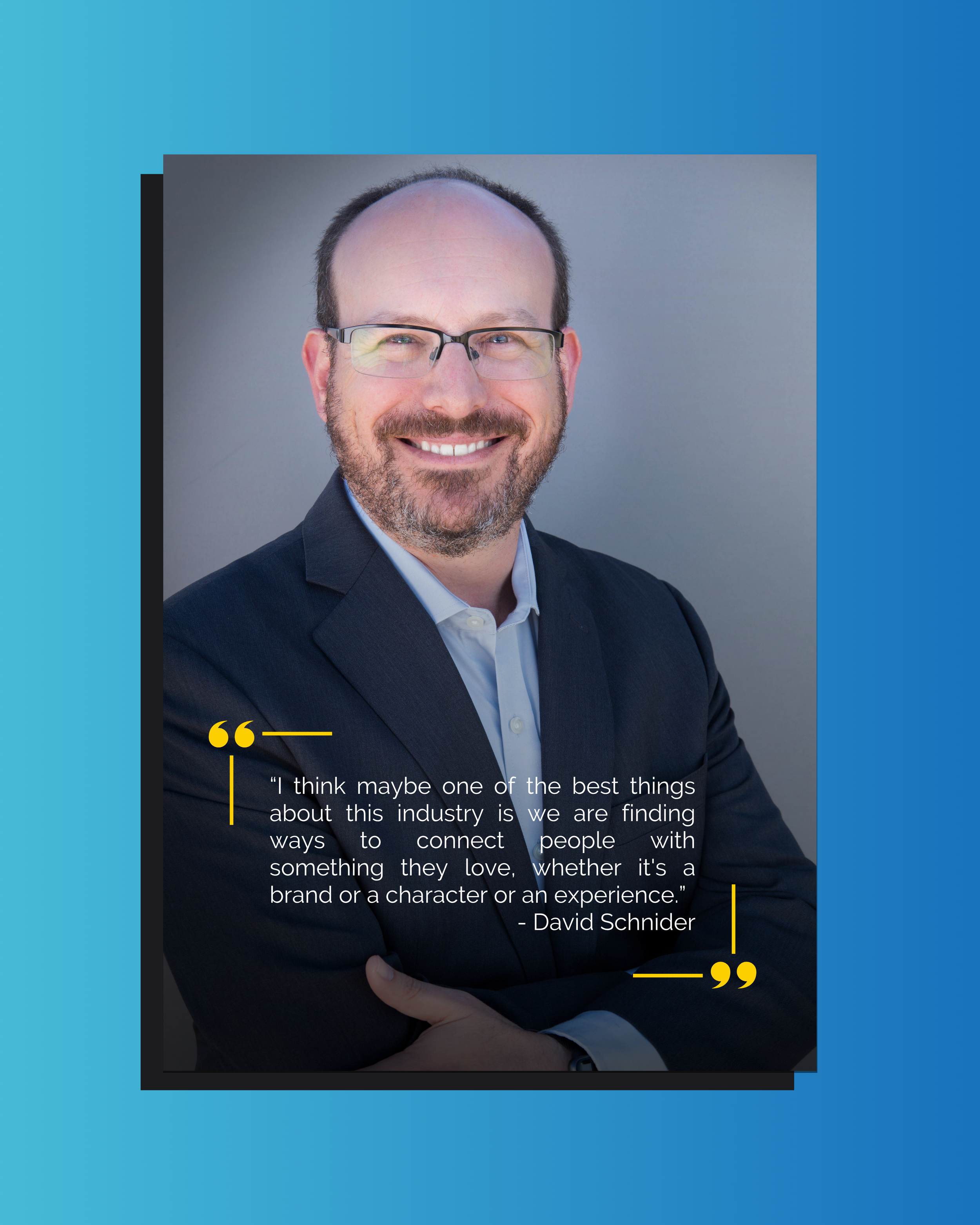
David Schnider: I think maybe one of the best things about this industry is we are finding ways to connect people with something they love, whether it's a brand or a character or an experience. You're extending it beyond the initial exposure into other avenues, whether it's you know, as simple as merchandise or something location-based or toys. It's a way for people to get further into the thing they love.
Marty Malysz: Yeah.
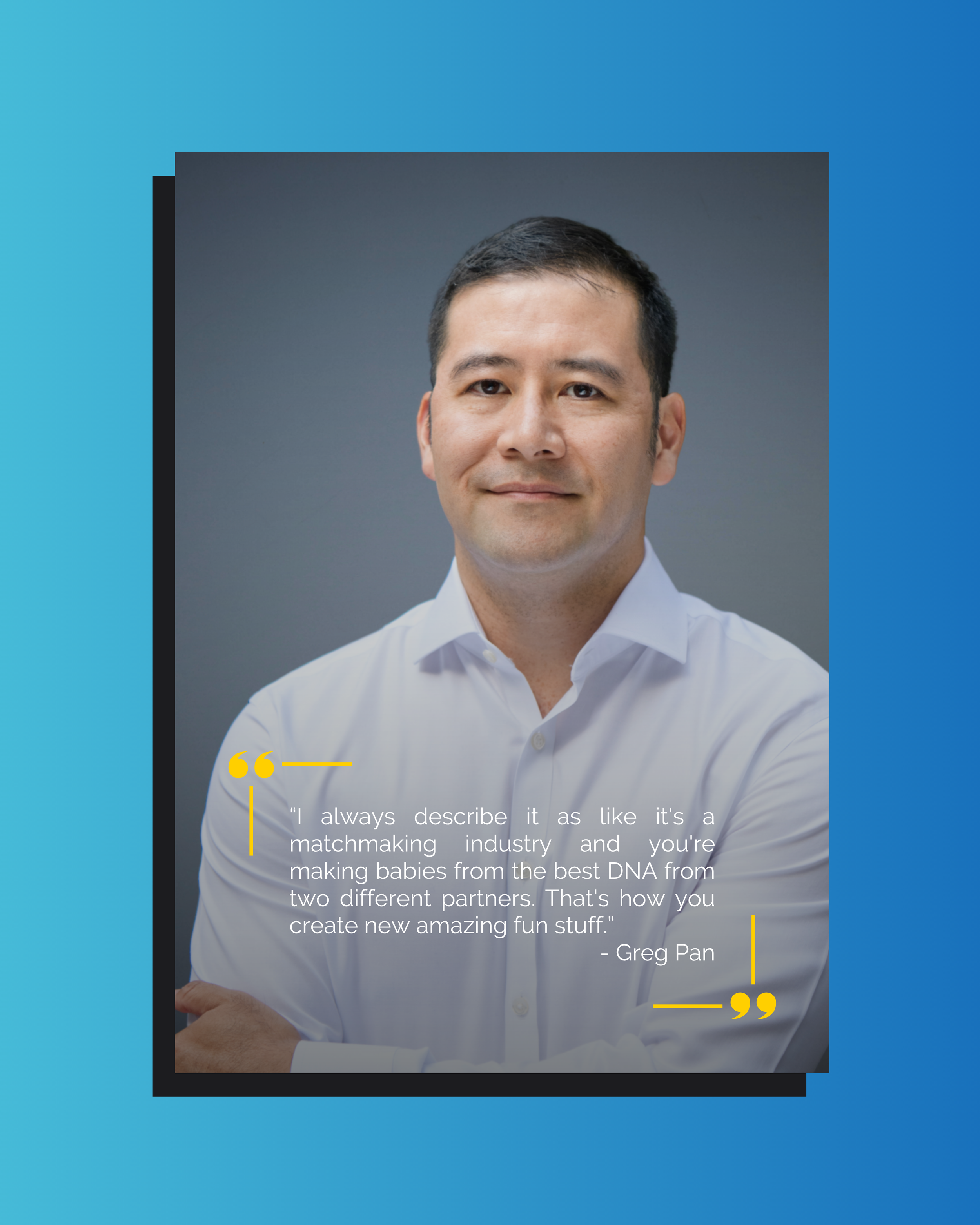
Greg Pan: Yeah. I always describe it as like it's a matchmaking industry and you're making babies from the best DNA from two different partners. that's how you create new amazing fun stuff.
Marty Malysz: Yeah. But also, people are aware of trends like Mars, there was a big push to anti-obesity, I think anti sugar for kinds of diabetes and all things. And so, they immediately cut back on their childhood consumer product brands and clothes and other things. mainly because they're getting associated with things they don’t want to be associated with, but they were also aware that that was very important to society. And you know what? Good job, brand owner. And what they say, 70% of the product is the peanut M&M’s. And they were just great shops, great stores, Ethel M, the high-end chocolate company. It's a great brand, but they're also really aware that, hey, respond. It's a customer loyalty, customer engagement process and licensing. And be aware of things that happen out there and they cut back and I don't think they ever reintroduced the heavy push to kids because they don't want to encourage too much sugar eating in those years where minds are developing and kids are growing up. And that's a great brand fortunately get to still work with them it's - good job brand owners, because you're doing the right thing and you're out there to sell your main product to the right people. And that was a great move on their part.
David Schnider: I'm curious, are there any licenses over the years, any products you've seen or activations you've seen that you were really impressed by and you thought, wow, someone just did a really good job with that? Are there any that stand out?
Marty Malysz: Yeah, well one I love is Michelin wipers. It's hilarious how well that was done. That's a tire company on the on the front windshield what an amazing brand to say that, wow,most people are going to associate, hey, I didn't know the windshield wiper company is making tires now. And that's the right kind of brand that when people don't even realize, and many of our clients don't like to talk about the licensing program because it's not important. They know what their core licenses are versus the products made by good high-quality licensees. That continues to amaze me. But yeah, there's, yeah, all kinds of amazing products that make it out into the field. But having a lasting impact… and then the consumers are confused because they think the licensed product is the core product. And that's not the case. So, it is fun.
We have many more examples but I know we have time today. It is great to see and also like, you know, the Monster Jam trucks. You know, to take something that was considered a castaway from a halftime show to now they got the motocross, they got the circus, they've got the Monster Jam, they've got the skating. Neat to see a well-built-out brand on - its Felt entertainment, very high-quality company that survived COVID, which you can only imagine. COVID and long location-based entertainment. And they did it beautifully. Something you I don't think there was a business model to really help anybody navigate that, but they did it well and now they're doing great.
Greg Pan: Very smart company. I mean, and the backlash were, you know, for live animals and circuses, they pivoted and changed that changed that very quickly.
Marty Malysz: Yeah, it's fun to see how one can say that there's those businesses are done. Like, well they're over in the way they were done. We need to do them now in what's current, as you say, circuses, candy-based consumer products, especially for younger generation people. And just it's fascinating to see how products have done so well and kept so quiet. Well, we'll see there's been a lot of consolidation in the industry.
So, I have a feeling as we've seen in the history, have been around a while that those will be demerged and when they come out of it, sometimes they can get stronger because they're more passionate for these individual owners. And fortunately, we're blessed on both sides because we have some very large clients, but we also have some clients that were spun off from large companies. And they do really well because they're focused on the core audience.
David Schnider: Do you have any thoughts about what kind of impact the Skydance Paramount WB roll up will have on the industry and other consolidation in the industry?
Marty Malysz: Well, it's you know, we haven't yet seen it 'cause it still kind of getting approved and rolling out, I think.
Greg Pan: Yeah, it's still slowly getting approval country to country, but it looks like it's probably going to happen.
Marty Malysz: Yeah, yeah, so like exactly. When's it going to be real? That's a deep catalog acquisition. What's it going to mean for futures? Sorry Disney, I don't know how many more Toy Stories you can make. I mean come on, it's like, you know. We need original content. As long as there's a lot of new development and new content with new studios, new shows, that'll be great. But if they just going back and rehashing and throwing out another, you know, fifth or twelfth episode or you know, of something, that's not good. So, I think that it's really good for Netflix. So, let's go. I think this merger's been really good for Netflix because they have done what I advocated, which is a lot of new content, taking some risks and continue to, and same with Amazon to continue to grow original studios and not just play on the age-old brands and content that's been redone so many times.
So yeah, so it'll be very interesting and I think that's more along the lines where if they only rely on the content that's there, they'll make money on it, but I don't think they'll endear themselves to the consumers, whereas other companies will rise up and fill the demand. So, either way, I think the industry wins.
Yeah, with that merger, the game companies, anime, poof, man, that seems to be filling the void like nobody's business. So that seems to have grabbed the attention, handheld devices for the next generation. I think that would be the biggest challenge to a merger like that. They're relying on the affinity to an aging group of people, whereas they got to capture the younger group. So maybe they'll acquire a lot of those companies, that would be the right a good thing to do. But right now, I know my kids, they're not interested in the same things I grew up with. No.
No. But there's a lot there seems to be a lot of content. A lot of things available across, you know, Disney, Hulu, Ube, all these different services on TV, Amazon Studios. So, I don't have enough time to watch all this content.
David Schnider: It's an amazing thing 'cause people complain about how Hollywood is just rehashing old ideas, but while that's true, I think there's never been as much original content available as there is now.
Marty Malysz: It's really good and it's all in the subscription fee. So, I think the value is there. So, it’s amazing. I have friends in the industry. We're all from Los Angeles, so we have many friends, many friends in the industry. It's great to see how many places there are to sell content and a lot of them are doing productions overseas. You know, they have to fly now to be actors and directors and producers, stunt people. They don't work in Los Angeles anymore. They work every place but LA. And so, because of the amount of content that's being created. So, I hope it continues, but I think there's going to be a saturation point of too much content.
David Schnider: It'll be interesting to see how much of that content translates to licensing opportunities, whether it's products or experiences or something else.
Marty Malysz: Yeah. But people do. They love they love their products and that's what we depend on. And it's fun. Like this little figure aids, like some people fit a thousand dollars on these little models that sit on their desk.
Used to be I have a Rolex watch or a you know, whatever, something really bougie and now it's some obscure anime monster. And you're like, I'm so happy I only paid fifteen hundred bucks for that. I'm like, dude, it's a paperweight. That's a really nice one. Yeah.
David Schnider: Yeah.
Marty Malysz: So, it's fun. And here's my thing. If you're that person, enjoy that. Enjoy that anime paperweight that you've got. It's, you love it, go for it. Believe me, I was a Patrick Nagel. I bought all those series limited prints. I don't have any left. Sorry, Patrick Nagel. But yes, it didn't it didn't survive in my brand - favorite brands. So, it's good.
David Schnider: All right, well Marty, look, it's been a pleasure talking to you. We appreciate you coming on. If people want to find you, where should they look?
Marty Malysz: Come find us, Dependable Solutions dot com. We have teams in Europe, throughout the United States, in the Far East and Philippines. We are fortunate to have many clients all over the world and great customer service, wonderful people that work here, about 40 of them. Sure, you'll be able to find me online. We go to the Brandon Licensing Europe, the Vegas one, we go to the sports shows, they go to the Australian award shows. So, we, I, do a lot of the different shows, but more importantly is you see anybody on our team, please tug on their coat, they'll share time with you.
David Schnider: All right, thank you very much. It was a pleasure having you.
Marty Malysz: Thanks guys.
Thanks for listening to the Licensing Exchange. If you enjoyed the show, please share with others and kindly rate and review us on your favorite podcast platform. For more information on how we can help with your own legal needs, check out our services at nolanheimann.com. That's N-O-L-A-N-H-E-I-M-A-N-N.com. You're listening to the Licensing Exchange, part of the Look Legal pods from the law firm Nolan Heimann lawyers for creative business makers. And now, here are your hosts, attorneys David Schnider and Greg Pan.
David Schnider: Welcome to the Licensing Exchange podcast. My name is David Snyder. With me is my co-host, Greg Pan. Hey, Greg.
Greg Pan: Hi, glad to be here.
David Schnider: We have an exciting guest. We have Marty Malysz, who is the president and founder of Dependable Solutions and a longtime leader in licensing automation. For more than and excited about it. For more than 30 years, he's helped brand licensing teams simplify royalties, approvals, and contract workflows. And he's also been active in the industry's educational side through efforts like the Licensing International Education Committee and Client-led Summit programming. Marty, we're happy to have you.
Marty Malysz: Great. Thanks, David, thanks, Greg. Thanks for having me.
David Schnider: So, I always start with the same question. I'm going to ask it of you. How did you end up in the licensing industry?
Marty Malysz: Like most people, I slipped and fell into it and I'm very happy I've been here for many decades. Right out of college I worked selling computers and I realized computers were boring, so I started working with vendors. My apparel manufacturing vendor that I worked with in downtown Los Angeles - we got to go all over the world, learn how the apparel was made. And then from that, I joined up with my fraternity brother from UCLA and we started a custom software shop. We went into music libraries, music clearance companies, eventually music publishers and record companies. So, I was very fortunate to be doing that for at least a dozen years. And then the music industry kind of fell apart and continued to decline for another ten, twelve years. So, I sold that business and they always ask, what are you going to do now? You got to start over again. That's what my wife told - asked me, I go, yeah right.
But this time, thanks to knowing the music industry, we picked the brand, consumer product licensing industry, is much bigger, healthier. It's 20 times the size of the music industry. Now, let me tell you, I still love music. I still love the music industry, had phenomenal success. But when the industry doesn't love you, you have to look for a bigger pond to swim in. And that's what we found in consumer product licensing. So, we immediately were a hit with all the sports in Australia, San Rio, a bunch of different companies that WWE are still companies today in this. We've been around for 21 years. And so been very fortunate to have a great track record in working in consumer product licensing for both brand owners, agents, and licensees.
David Schnider: So, tell us about dependent build solutions and what the software is and what it does.
Marty Malysz: Yeah, yeah, definitely. So, what we do is we are a compliance company. So, we help manage the brands that are licensed out and to all the different parties. And that's where the brand owner’s vetting and understanding and all the different aspects of approving everything that involves in getting a product to market, which is quite involved. And for major companies, most of our customers are large and private companies. We have small ones also. A very thorough process that has to be approved and checked everywhere along the line with the manufacturers, with the artists, with the specs, with the certificates, the security, all the different things that happen before a product can ever make it to market.
Then, of course, we do the financial compliance with forecasting and royalties that eventually someone either reports it out or receives it in. And the same goes with an agent. They really are outsourcing most of the time the brand owner's business so that they can do it more professionally at a fraction of the price. So, we call on the brand owners, agents, and licensees. And we're in 10 different countries. Fortunate to have 60 clients all over the world. Yeah, and so it's a great business.
David Schnider: So, it sounds like this is something that's used by licensors, licensees and agents. It's sort of everyone in the industry has a use for this.
Marty Malysz: Yeah, everybody touches the product, which means also on a single instance of our software, all of them log in at some point and do something to the approval or the product submission, the submission of forecast or royalties. Everybody gets involved. So many of these sites have hundreds, if not several thousands of users.
David Schnider: So, I'm guessing if you have a new licensee with a single license, it you know, you can probably manage that by hand. You don't need software, but is there a size at which that becomes unmanageable and software really makes a difference?
Marty Malysz: Yeah. Size matters. Yeah. No doubt. Well, and because we encourage everybody, a lot of people who are dabbling, and this includes major corporations who are more opportunistic with licensing. I won't mention names because they don't use systems like ours, because they don't do it strategically. That's fine. We're doing it for an event, maybe a FIFA event, or maybe a spring but if they want to do it consistently, a dozen or more licenses usually creates a demand because they have to deal with multiple different entities all like herding cats trying to get all the information together. But even large companies, large shoe brands and stuff, may only have a dozen licenses, but sometimes the licensees are a billion dollars. They might have thousands of products.
So, a small company can still use it if they're in the hundreds or thousands of products out there that are licensed. And as we know, licensing accentuates all sales, helps build a bit more shell space at retail. So, it sells through the unlicensed product as well as the licensed product, and that's what makes licensing so strategic for some companies. But some people are just reactive. They just sell a lot of product for some event.
Greg Pan: And they don't even sell for the licensed order that you're working with, where are they typically coming from?
Marty Malysz: What type of industries or countries or what?
Greg Pan: Yeah. What industries really typically coming from?
Marty Malysz: Well, we do really well in the gaming space. Game industry, as you know, is really more like a movie production studio. So, you've got Minecraft movies, Tetris movies, Sega movies, all kinds of… do you think they're a movie studio? They're a game company that has huge amount of content. Ubisoft's the South Koreans, they all have movies that come out, right? So, but they're game companies. So games is a huge market for us, sports is also a very large market for us. I'm going to have trouble tomorrow because I’ve got to root for Australia or US. Australia's our client. US is our country. And so yeah, so this will be obviously played. You'll know the score after this podcast. But the fun thing is we're - we've blessed with doing some Premier League teams, some La Liga teams, big ones, and so rooting for players on every single team. The other part is we do large fashion brands. That's a great market for us. Food brands is probably also one of our largest consumer product brand markets.
And we do a lot in automotive. And automotive licensing is by brand, by model, by year. So, it itself is the most complex of all licensing models. course we do with the agents, the brand owners, and the licensees. But those are some of our biggest markets. We're fortunate to work in about 10 different markets.
Greg Pan: Now for the licensors, they're typically using the same contract template and the same terminology across the board. But licensees when they have 20, 30 plus licensors, license agreements, they're all different. I mean the contract has similar aspects to it, but they have different terminology, different calculations. How do you capture all those differences? Is that more complicated for licensees?
Marty Malysz: Well, very carefully, of course. No, it's it is true. one would like to think that everybody uses the standard brand licensing contract. but depending on your recruitment models, your models if you're licensing all the way down to the retailer market level and by different categories split out. The models aren't really that complex, but the compliance of the models is. Because there's always diversion, there's always product, from good quality companies, it ends up in the wrong places. So, it's so for the brand owner, even though the contract's the same, it's managing the channels and the markets and in what what's been approved and reported. and when you have assortments where you have multiple products of yours and other brands in one product, how much of it is yours or somebody else's. So even though the contract standard, they're policing the activity that comes in. But a licensee has it the toughest, Greg, that's where a licensee goes hey Hasbro, hey Disney, hey Warner - how do you see the world? Because I have to report your way. And God forbid, someone says domestic or foreign. Like you got to be kidding me. What does that mean? But people do in contracts. And it's everybody who listens is the simplest usually are some of the worst because you should spell out every discrete territory. You should name the retailers because Walmart can be a mass producer or discount retailer, depending on the contract. It's the same Walmart. So that's why I say the licensees have the toughest because each brand defines how they need to be reported and how the recoupment model goes and the sales model. So physically it's the same thing, but nomenclature terminology, it's different. And that's what the systems do.
Greg Pan: Yeah, as lawyers we see the same thing. Like a five below, is it a discounter, is it a dollar store, is it a specialty store? It could be all three. Really depends on the licensor or how they define it. So, you have to kind of get the licensee to speak a new language.
David Schnider: So, I, you know, I sort of imagine that twenty years ago software was not so commonly used for complaints. Maybe I'm wrong about that, but have you seen a change over the last couple of decades and is software much more commonly used now for both licensors and licensees?
Marty Malysz: That's a good question. I would say that it is more thorough today than it was before. Before, going back, is more crude. Hey, do we have a license and is it in sell-off or has it been renewed? That was considered automated. You're like, woohoo! You know. Today it is because of sustainability and because of environmental standards, shipping, batteries, chemicals, things that are used in all of products as well as licensed products, it has become more thorough. So, the level of granular detail about the manufacturer, and if you switch manufacturers, you need to know who that was because that product was sold, and you may have a liability on it going back a couple years. So today it is more exacting, and that's how I'd say the big difference is, which means it's much harder to manage it manually. So, it's a better market today. Now, truth be told, we were able to charge a lot more twenty years ago. So, we had limited scope and it was bigger dollars. Today it's more common and thanks to AI and thanks to other things that are in the market, people's requirements, they're more aware that you have to have little details. All the little details matter. Yeah.
David Schnider: So, speaking of AI, that's obviously a very popular topic these days. I think we talk about it with almost every guest we have on the podcast. How are you see seeing AI being used in the industry and in compliance software in particular?
Marty Malysz: Well, it's great. Now I'll give you great and also it has warnings. We already implemented new features which includes language translations. So, we have clients that do business all over the world. And so, one of the challenges is do you have somebody that can read or write or speak that language? Using AI based resources plugins that plug into the base system our end, we have eight different languages that we hard-coded into the system. Kind of clunky and very challenging to update with our systems. By using AI, we can translate all that information to any different language, maybe 128, 150 different languages.
Of them, but most of them. But not some of these FIFA teams that you see playing this week. See, but the coolest the cool thing is the languages make it a much more useful product because someone can speak in Korean or Japanese and understand it in German or French and type it out and read it in English, and it's without really no effort because it's using the language translation AI model, the genetic model, to change those. So. there is some really positive things with AI. And then there's some clients that are don't allow AIs to be used, AI-generated images, and say a product approval. So, to detect those to the best of our ability, that to say, hey, was this an AI-based model using some of the style guide approved products that are trademarked or copyrighted?
So, there's an enforcement policy that goes along. AI is beautiful for enforcement, finding security holes and figuring out which ones are fakes, more than a human eye. So those are two aspects of things that are a beneficial use of AI and are greatly appreciated. Help documents and other things, yeah, we do those in with using AI because it makes it easier to find stuff. Just like you can ask a question and get an answer, it can help you reference different aspects on how to use this software, especially with seldom used features. That is good.
David Schnider: Yeah, I've seen even some of the software systems we use for our legal work, they're integrating AI tools. And in some ways, it's nice because you can ask a plain language search, give me a report on these trademarks, and it's really helpful, but I'm not always convinced it's right, which makes a little challenging.
Marty Malysz: It's as you mentioned, the dark side of it is what's the referential integrity of the data that you're getting it from? And everybody assumes every piece of data everywhere in the world is available. And it is not, and that's the part where AI as a comparative tool, non-organic,is a great comparison tool, gives you some good ideas. We get a lot of leads now, and people find us on all different types of AI tools looking for us. But you have to be specific, and each one of them gives a different answer. And this doesn't make us right or wrong, but it's funny how the same question across five different platforms you get different answers. Yeah, so you're like, well, which one's correct? Well, the one I like the most.
David Schnider: Get you different answers, yeah.
Greg Pan: Yeah.
Marty Malysz: Of course, you know, good luck with that in the litigation room. but it it's the key here is it's very good for research, no doubt. I don't think any everybody would agree there. But does it make that research correct? And but I love the ones Gemini, Co-Pilot some of them really are good at referencing where the data came from. So you go, aha, that's a more but you still got to pay for good quality data. And I think that's what people forget they just think everything's free and that is not true. Yeah.
David Schnider: Yeah, I had a client recently used ChatGPT to determine that his licensed property was worth easily a million dollars. And I did some searches of my own to show him that maybe he needs to take into account some other factors.
Marty Malysz: Yeah, yeah. Well, it's fun. I was at an INTA luncheon yesterday in Culver City and you're right, it was fun to hear about like voices, like our voices, the deep fakes online and if you sign off, say, hey, you can use my voice, they can then AI generate it and make it, a whole movie out of our voice and stuff like that. I'm like, wow, this is fascinating, but it's horrific.
David Schnider: Yeah, one of our patent partners did a podcast on AI and he had used an AI tool to write the script and another AI tool to use his voice and then revealed at the end the entire podcast was done by AI. It was pretty impressive.
Marty Malysz: Yeah. And so that I think is where you want to know that it's a deep fake or a semi fake, doesn't have to be deep, but you want to know when you're listening something, that you could say, hey, well, this was created by AI, so it could have been created in any country. And the law as you know, because you're lawyers, the laws are different in every country. So, the key here is detecting something was made by AI, I think, is be a very large industry. I don't know if it's large now, but it will be larger in the future.
David Schnider: I want to switch gears and talk to you about your involvement on the education side of the industry. I know that's important to you. Can you tell us about some of the things you've been involved in and why it matters to you?
Marty Malysz: Thank you. Yeah, absolutely. When we first started out, I got some great advice when I was in my just out college. His name was Harvey. I'm not sure of his last name, but he says, never forget to read and don't ever forget to participate, because you have to pay it forward in that whatever you get, you give. And whatever you give, you tend to get more. So, if you kind of give more, and we have embraced internships in our company. it's worked out great. Even with COVID, it's worked out phenomenally with having some interns, but we found that with COVID it was really hard to have people in the office.
So, we're reinstituting our internship program after a couple years, only about three years we haven't had any interns. And then we also embrace the mentor mentee programs in the licensing industry, and we're very actively involved in trying to make sure that the next generation has the same blessings that we have, which is awareness of all this licensed product out there and how the mechanics of it are done. So, we found that working in those programs has been great. Some of my closest relationships have been built through the mentor mentee or the internship relationships that we've had. And so, I would encourage everybody: if you don't think you have time, you do. And why? Because it's going to make everything more rewarding. And to see today that people recognize her - like wow thanks for pulling me into an industry no one would ever have found without somebody else advocating for the industry. So yeah, it's fun and it we continue today. I have a mentee in New York and she works in the apparel industry. Yeah. So that's great.
Greg Pan: For a lot of our people on this on this podcast, a lot of them fell into licensing, did not know about it, and then discovered it and fell in love with it. Do you find by having these mentorship programs, this education, that it's helping more people discover it earlier – and maybe less falling into it or they know about the industry already and have an active interest in learning about it before they discover it?
Marty Malysz: Yeah, yeah, definitely. What it's done is gives people a better appreciation for and also it gives them a very particular skill. So, licensing does give you a really refined skill that when I think it's one of the most interesting things you can bring up in the conversation, because most people don't know much about it. And what we've seen, we had an intern, she's a five one-point guard, University of Redlands. She knows who she is. And we hired her on the spot. Yeah. Yeah. Women point guard division two team, done.
Well, we shipped her off to do Activision install. We ended up sending her to Australia to the leads installs down there. She was at CAA, now she's over at Global Icons. And she's really developed a whole career because she's a spark, but we taught her a skill that could be applied across everywhere.
And I did have to apologize to her mom sending her off to Australia for three months on her own. I said, hey, be careful, she may not come back. It's been the same thing true with my buddy Nate, who's now head of sponsorships or senior sponsorships at LAFC. He came to us from the University of Arizona. And it was amazing what we've been able to find the internship programs. So, guess whose watch party I'm going to and in which seats I get to sit in? LAFC. Because he didn't go into the licensing world, but he's so aware of it. Helped him with sponsorships. And by the way, sponsorships and licensing very closely aligned. So, you're licensing brands in or out. he's done extremely well because he's a great guy and she's a great girl. So, it they're great people that happened to learn the licensing processes and skills, which allowed them to have full careers and rewarding careers just because of licensing. And we're fortunate because I still get to work with both of them. The one the one thing that I found with education it endears you to the student and the student to you. To me and we get the whole lifelong career working with them. It goes over decades.
David Schnider: Yeah, it must be really amazing seeing people who you worked with at the start of their career just blossom and move on to other things.
Marty Malysz: Yeah, yeah, it is. Well, it's great. And you go to the weddings, you see their kids, like, yeah, you know, I of only two kids, but if you count all the internships education, yeah, many, many more. But it's really a phenomenal thing to share with them because one thing I would say to every kid that's going to college is have a skill, have an interest, have a hobby you love, and you'll be fine. don't do a job just to do a job.
Because if you're, if you love it, you're going to be good at it. If you're good at it, you'll be rewarded with travel. And the other thing about licensing, what job can you go to anywhere in the world? There's either license making, license representing in agencies, or brands that are built there. It's a worldwide industry. And it's for anybody - look at considering a career in licensing, it's amazing what you can do here. Yeah, everywhere in the world.
Greg Pan: Yeah. And I'd say for the younger people entering the industry, they have an advantage in that they know what's popular, they know what's hot, they know what's going to be the next trend much better than us older folks do. Because they're consuming it. So, kind of on that topic, are you are you seeing more brands coming from nontraditional areas? Like, you know, licensing is usually you're coming from your traditional sports. The movies that are coming out, TV, but now how we consume content's all different. Are you seeing different brands coming out from different industries?
Marty Malysz: Yes, the emergence of experiential, location-based entertainment. We're fortunate to work with Feld and they just you know they've just blossomed out of a halftime sideshow. And they were just an amazing company that now has Disney on Ice, Jurassic Park Live, and they just bought back Barnum and Bailey Circus. It's amazing to see how that brand and all the different brands that participate there, morphs into a very major brand. And none of that through VC acquisitions. That was all organic growth. Or watching know, a food company like McCormick do so well. They sell spices, but they own Tapatio, Frank's Red Hot, Cholula, and then of course French mustard. Well now they're getting a lion’s share of the Unilever food business merging with them because again, they're a spice company. They make fourteen or fifteen of the spices in the Doritos chip. But that's what they do for a living. But how licensing has made their business amazing, the Unilever food business is merging with theirs and that's because they run such a great program. We are fortunate get to work with them but it's just amazing people and amazing program. I'd say amazing software but that's self-fulfilling and very nice people to work with.
David Schnider: Ha!
Greg Pan: Are you seeing any brands from the like the content creator space or from streaming or YouTube type places?
Marty Malysz: Yeah, so user generated content. you see that we haven't really seen it being sustained. You know, I think there's definitely a, phew, you know, a ramp up, but keeping that going is not something we see consistently. We tend to deal with more of the corporate brands, established brands, some of our brands are hundreds of years old. So, we haven't seen that, but I like at the show just a month ago, it was great to hear about how people are generating huge followings and with 80, 100,000, 200,000 or more individuals following them. Can you translate that into licensed merchandise and licensed product?
We haven't seen it, but I believe we will see it. It's an emerging market not yet financially established on a consistent level. Yeah, it'd be fun to see. One of our very first client was Jesse James, Sandra Bullock's husband with West Coast Choppers. That was our first client in and sadly it didn't go so well, you know, the licensing business didn't go so well with him. At the time, West Coast Choppers was huge. And so that's what I see in a lot of the user generated content or shows. We were fortunate to work with different companies that have hit shows but they don't last too long. That's I think, the challenge you have with user generated or content is they can make a really big blip, but they tend not to sustain.
Greg Pan: Yeah, they're kind of initially built for sponsorships, but as they start to become more of a legacy brand and they have a critical mass of followers and viewers that are familiar with their brand, then they tend to have get to understand and want to enter licensing more. It requires a little bit more patience.
Marty Malysz: Yeah. And you know, like looking at the music industry, most of our clients, they've had a huge career over decades and both as a brand and the copyright owners. Both on the sound recordings, maybe the underlying music, and that becomes very valuable over time. So, they sustained, but they weren't, they weren't a fad. They did really well and sustained it over a long period of time. They’re Kellog’s and OcuDinero now. Yeah.
Greg Pan: Do you see any industries out there that you think they should be doing a lot more licensing, but they don't for some reason?
Marty Malysz: I think the food industry has a lot more potential but you know there's that constant battle to the you know the private label brand the private label show in Chicago's big so when they get big enough then they get copied a lot. So, I see the food industry, because we all have to eat multiple times a day, has a lot of room for growth. And we've seen that to be the most consistent, and that's where you can introduce a new brand, for instance, a new caffeinated or out non-alcoholic in that space and usually make a big hit and eventually sometimes sell it to a major conglomerate. So that is still a very active market, and I think that has a lot of legs on it. Willnever really run out.
Plus, the consumer product market. We talked about the suntan lotions and how those have changed. And so, what people tend to stay with you know, smells like summer to the new stuff is like way better to keep you from skin cancer, Jimmy Buffett and others sadly who succumbed to that. It's like, hey, I rather have the really good quality sunscreen. it matters a lot. So, it's that brand loyalty versus keep up with the most current best technology, skincare, health, food, because pay attention, it does matter. And so, I think there's a lot of growth in consumer products, especially healthcare. we're seeing that with all these GLP1 and weight loss drugs. Now they have new scalp treatments and other things to combat all the weight loss and all the issues with them. So, I think you're going to see a lot of different brands emerge from some of these new trends that are going to stay.
And so, it's very exciting to see. you know, look what's happening this summer with World Cup, all the different people that are introduced to the country and countries we never know existed, let alone could have a team on the field.
David Schnider: Hold Spain to a draw. That's amazing.
Marty Malysz: Man, unbelievable. So, I know we're going to have to play this after the whole tournament's done and the best team will be crowned in, I guess, New York, you know, for FIFA, but it's exposing people for other things around the world and also to the point I've been very fortunate to travel the entire world and see how well people live. But the fun thing is you get exposed to all these different brands, these tastes, these cultures, and that's the thing that brands do. They help remind people what they love, even things I think are unlovable, they love them. It's really great to see people live their lives through their loyalty to customs, to brands, to tastes, to smells. It's just fun.
And I always laugh because Rafa ran Polo deal, apparently it was written on a napkin decades ago. Very successful license. And it's just neat to see. And it's a great brand and great people. I'm continually amazed at the things that I experience, let alone the stories we hear from branding, and they're pretty fun.
David Schnider: I think maybe one of the best things about this industry is we are finding ways to connect people with something they love, whether it's a brand or a character or an experience. You're extending it beyond the initial exposure into other avenues, whether it's you know, as simple as merchandise or something location-based or toys. It's a way for people to get further into the thing they love.
Marty Malysz: Yeah.
Greg Pan: Yeah. I always describe it as like it's a matchmaking industry and you're making babies from the best DNA from two different partners. that's how you create new amazing fun stuff.
Marty Malysz: Yeah. But also, people are aware of trends like Mars, there was a big push to anti-obesity, I think anti sugar for kinds of diabetes and all things. And so, they immediately cut back on their childhood consumer product brands and clothes and other things. mainly because they're getting associated with things they don’t want to be associated with, but they were also aware that that was very important to society. And you know what? Good job, brand owner. And what they say, 70% of the product is the peanut M&M’s. And they were just great shops, great stores, Ethel M, the high-end chocolate company. It's a great brand, but they're also really aware that, hey, respond. It's a customer loyalty, customer engagement process and licensing. And be aware of things that happen out there and they cut back and I don't think they ever reintroduced the heavy push to kids because they don't want to encourage too much sugar eating in those years where minds are developing and kids are growing up. And that's a great brand fortunately get to still work with them it's - good job brand owners, because you're doing the right thing and you're out there to sell your main product to the right people. And that was a great move on their part.
David Schnider: I'm curious, are there any licenses over the years, any products you've seen or activations you've seen that you were really impressed by and you thought, wow, someone just did a really good job with that? Are there any that stand out?
Marty Malysz: Yeah, well one I love is Michelin wipers. It's hilarious how well that was done. That's a tire company on the on the front windshield what an amazing brand to say that, wow,most people are going to associate, hey, I didn't know the windshield wiper company is making tires now. And that's the right kind of brand that when people don't even realize, and many of our clients don't like to talk about the licensing program because it's not important. They know what their core licenses are versus the products made by good high-quality licensees. That continues to amaze me. But yeah, there's, yeah, all kinds of amazing products that make it out into the field. But having a lasting impact… and then the consumers are confused because they think the licensed product is the core product. And that's not the case. So, it is fun.
We have many more examples but I know we have time today. It is great to see and also like, you know, the Monster Jam trucks. You know, to take something that was considered a castaway from a halftime show to now they got the motocross, they got the circus, they've got the Monster Jam, they've got the skating. Neat to see a well-built-out brand on - its Felt entertainment, very high-quality company that survived COVID, which you can only imagine. COVID and long location-based entertainment. And they did it beautifully. Something you I don't think there was a business model to really help anybody navigate that, but they did it well and now they're doing great.
Greg Pan: Very smart company. I mean, and the backlash were, you know, for live animals and circuses, they pivoted and changed that changed that very quickly.
Marty Malysz: Yeah, it's fun to see how one can say that there's those businesses are done. Like, well they're over in the way they were done. We need to do them now in what's current, as you say, circuses, candy-based consumer products, especially for younger generation people. And just it's fascinating to see how products have done so well and kept so quiet. Well, we'll see there's been a lot of consolidation in the industry.
So, I have a feeling as we've seen in the history, have been around a while that those will be demerged and when they come out of it, sometimes they can get stronger because they're more passionate for these individual owners. And fortunately, we're blessed on both sides because we have some very large clients, but we also have some clients that were spun off from large companies. And they do really well because they're focused on the core audience.
David Schnider: Do you have any thoughts about what kind of impact the Skydance Paramount WB roll up will have on the industry and other consolidation in the industry?
Marty Malysz: Well, it's you know, we haven't yet seen it 'cause it still kind of getting approved and rolling out, I think.
Greg Pan: Yeah, it's still slowly getting approval country to country, but it looks like it's probably going to happen.
Marty Malysz: Yeah, yeah, so like exactly. When's it going to be real? That's a deep catalog acquisition. What's it going to mean for futures? Sorry Disney, I don't know how many more Toy Stories you can make. I mean come on, it's like, you know. We need original content. As long as there's a lot of new development and new content with new studios, new shows, that'll be great. But if they just going back and rehashing and throwing out another, you know, fifth or twelfth episode or you know, of something, that's not good. So, I think that it's really good for Netflix. So, let's go. I think this merger's been really good for Netflix because they have done what I advocated, which is a lot of new content, taking some risks and continue to, and same with Amazon to continue to grow original studios and not just play on the age-old brands and content that's been redone so many times.
So yeah, so it'll be very interesting and I think that's more along the lines where if they only rely on the content that's there, they'll make money on it, but I don't think they'll endear themselves to the consumers, whereas other companies will rise up and fill the demand. So, either way, I think the industry wins.
Yeah, with that merger, the game companies, anime, poof, man, that seems to be filling the void like nobody's business. So that seems to have grabbed the attention, handheld devices for the next generation. I think that would be the biggest challenge to a merger like that. They're relying on the affinity to an aging group of people, whereas they got to capture the younger group. So maybe they'll acquire a lot of those companies, that would be the right a good thing to do. But right now, I know my kids, they're not interested in the same things I grew up with. No.
No. But there's a lot there seems to be a lot of content. A lot of things available across, you know, Disney, Hulu, Ube, all these different services on TV, Amazon Studios. So, I don't have enough time to watch all this content.
David Schnider: It's an amazing thing 'cause people complain about how Hollywood is just rehashing old ideas, but while that's true, I think there's never been as much original content available as there is now.
Marty Malysz: It's really good and it's all in the subscription fee. So, I think the value is there. So, it’s amazing. I have friends in the industry. We're all from Los Angeles, so we have many friends, many friends in the industry. It's great to see how many places there are to sell content and a lot of them are doing productions overseas. You know, they have to fly now to be actors and directors and producers, stunt people. They don't work in Los Angeles anymore. They work every place but LA. And so, because of the amount of content that's being created. So, I hope it continues, but I think there's going to be a saturation point of too much content.
David Schnider: It'll be interesting to see how much of that content translates to licensing opportunities, whether it's products or experiences or something else.
Marty Malysz: Yeah. But people do. They love they love their products and that's what we depend on. And it's fun. Like this little figure aids, like some people fit a thousand dollars on these little models that sit on their desk.
Used to be I have a Rolex watch or a you know, whatever, something really bougie and now it's some obscure anime monster. And you're like, I'm so happy I only paid fifteen hundred bucks for that. I'm like, dude, it's a paperweight. That's a really nice one. Yeah.
David Schnider: Yeah.
Marty Malysz: So, it's fun. And here's my thing. If you're that person, enjoy that. Enjoy that anime paperweight that you've got. It's, you love it, go for it. Believe me, I was a Patrick Nagel. I bought all those series limited prints. I don't have any left. Sorry, Patrick Nagel. But yes, it didn't it didn't survive in my brand - favorite brands. So, it's good.
David Schnider: All right, well Marty, look, it's been a pleasure talking to you. We appreciate you coming on. If people want to find you, where should they look?
Marty Malysz: Come find us, Dependable Solutions dot com. We have teams in Europe, throughout the United States, in the Far East and Philippines. We are fortunate to have many clients all over the world and great customer service, wonderful people that work here, about 40 of them. Sure, you'll be able to find me online. We go to the Brandon Licensing Europe, the Vegas one, we go to the sports shows, they go to the Australian award shows. So, we, I, do a lot of the different shows, but more importantly is you see anybody on our team, please tug on their coat, they'll share time with you.
David Schnider: All right, thank you very much. It was a pleasure having you.
Marty Malysz: Thanks guys.
Announcer: Thanks for listening to the Licensing Exchange. If you enjoyed the show, please share with others and kindly rate and review us on your favorite podcast platform. For more information on how we can help with your own legal needs, check out our services at nolanheimann.com. That's N-O-L-A-N-H-E-I-M-A-N-N.com.