

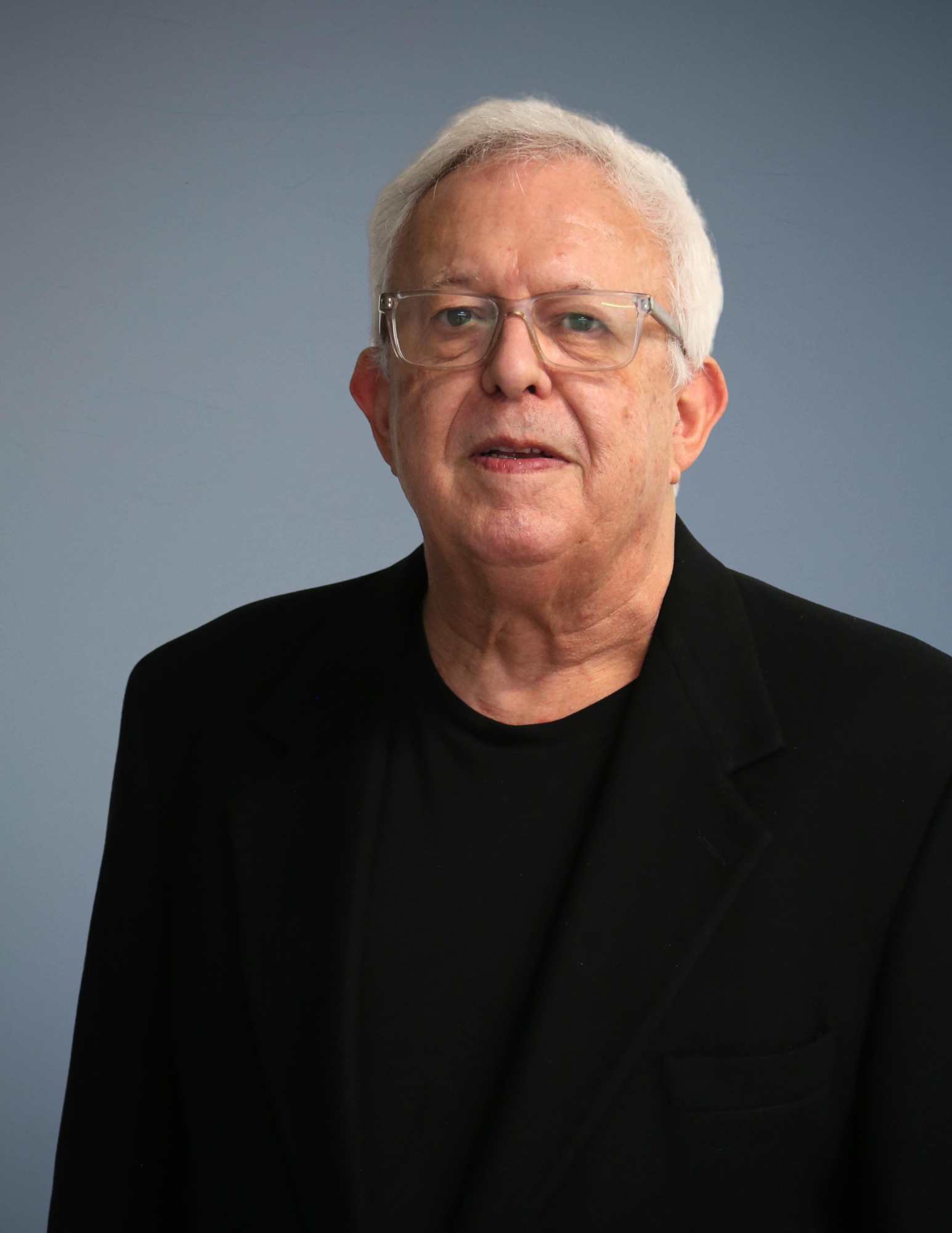
Clark Siegel
Clark Siegel is a transactional attorney with more than three decades of experience structuring complex entertainment, technology, and intellectual property deals for leading media companies and innovators.
An Architect of Deals for a Changing Media Landscape: Clark is known as an “architect” of bespoke deal structures that turn emerging technologies and shifting business models into profitable opportunities. He thrives on complex, multi‑party transactions where the economics, risk allocation, and intellectual property rights must all be engineered from the ground up rather than lifted from a form.
Over the course of his career, he has repeatedly helped clients unlock hundreds of millions—and in some instances billions—of dollars in value by rethinking how content, technology, and capital come together. From studio‑level output deals and global credit facilities to innovative reality television formats and immersive experiences, his work has reshaped how media assets are financed and exploited.
Client roster includes:
Major motion picture studios and media companies
Global toy and consumer brands
Game and interactive entertainment companies
Broadcasters and digital platforms in North and Latin America
Location-based and immersive entertainment companies
Private equity and investment firms focused on media and technology assets
Clark’s work focuses on:
Entertainment, Media, and Technology Transactions: Clark structures and negotiates deals involving acquisition, development, production, distribution, licensing, merchandising, and studio and network agreements for film, television, video games and interactive content. He frequently advises clients launching new content ventures, product lines, or digital distribution strategies, designing bespoke deal frameworks that align creative, financial, and technology interests.
Corporate Transactions and Strategic Deals: Clark’s practice also encompasses corporate financing, domestic and international mergers and acquisitions, workouts of distressed companies, and complex credit facilities backed by media and IP assets. His ability to integrate transactional, financial, and industry‑specific considerations enables clients to navigate high‑stakes deals with confidence.
Digital Platforms and New Business Models: Operating at the intersection of entertainment, technology, and IP, Clark helps clients leverage emerging platforms and evolving technologies while protecting their rights and mitigating risk. He is especially adept at designing business relationships and revenue models for new modes of content distribution, from online platforms to hybrid broadcast‑digital strategies and immersive, experiential entertainment.
Career Background:
Clark began his legal career as an associate at Cooley LLP, building a foundation in technology and emerging company work. He then joined Loeb & Loeb, where he rose from associate to partner in the firm’s entertainment and intellectual property transactional groups and deepened his focus on media and entertainment deals.
He later became a partner at Irell & Manella, serving as co‑chair of the intellectual property group and a member of the entertainment department, and subsequently joined Hughes Hubbard as a partner and chair of the entertainment and new media group. Across these roles, he has advised leading industry participants through multiple generations of change in how content is created, financed, and distributed.
Bar Admissions:
California
Education:
University of Chicago Law School, J.D.
Stanford University, B.A., Philosophy
“The more parties, the more complex the financing, the more I enjoy engineering a deal that turns a challenging project into a profitable reality.”
“What brings me the greatest professional joy is using my expertise to help clients design bespoke deal structures that actually make their businesses work..”

“I’ve spent my career at the intersection of entertainment, technology, and finance, figuring out how to turn each new wave of innovation into real economic upside for my clients.”
representative matters
A major U.S. studio in a landmark 10‑year, 2 billion dollar output licensing agreement that secured exclusive rights to all film and television content across Europe, creating a long‑term revenue engine for both studio and licensee.
The Tribune Company on strategic matters involving Warner Bros., leveraging Tribune’s role as the largest station group owner within the WB and CW television networks to help shape network‑level business decisions.
BBC, Telemünchen, and Toho‑Towa in a revolving credit facility used to finance the acquisition costs of territorial exploitation rights for studio motion pictures, enabling efficient, repeatable access to high‑value content.
A major U.S. studio and its investors in a slate‑financing structure that used a revolving credit facility and long‑term performance projections to transform a 300 million dollar investment into approximately 1.5 billion dollars over five years.
Viacom and Paramount Pictures in connection with acquiring DreamWorks LLC and subsequently selling the DreamWorks film library to Soros Strategic Partners LP.
Major motion picture studios in numerous theme‑park licensing agreements and related transactions.
Represented MTV/Harmonix in a deal with Electronic Arts for distribution of Harmonix’s Rock Band video game and related peripherals worldwide.
Mercedes‑Benz in key license agreements related to electric vehicle technology, supporting innovation and expansion of the company’s EV portfolio.
Clarity Partners in acquiring a fifty‑percent interest in Village Roadshow Pictures and structuring Village Roadshow’s long‑running co‑production and distribution arrangements with Warner Bros.
Mattel in numerous complex licensing deals involving merchandising and consumer product rights for feature films, video games, characters, and brand portfolios—including marquee properties such as Barbie, Hot Wheels, and a seven‑year worldwide Thomas the Tank Engine toy licensing and distribution arrangement.
TV Azteca, Mexico’s second‑largest broadcaster, in developing and implementing a multichannel television programming service and a digital video‑on‑demand movie service delivered via over‑the‑air broadcast in Mexico and other Latin American countries.
A consortium of four major U.S. studios in forming a joint venture to license and distribute a pay‑TV movie service throughout Australia.
Texas Instruments in establishing its digital projection technology as the global industry standard for digital cinema
Major media companies in the acquisition and sale of film, television, character, and content libraries, as well as in significant M&A transactions including the Viacom/CBS separation; NBC/Universal, Paramount/DreamWorks, NBC/Telemundo, and Disney/Club Penguin deals; the Disney Stores divestiture; and multiple library acquisitions and sales.
Reality television producers and networks in creating foundational legal templates that became industry standards for reality television production, as well as in production legal services for long‑running series such as Survivor and The Apprentice and other reality programs.