
The Licensing Exchange Ep. 13: From News Reader to Licensing Leader: Born Licensing CEO David Born on Nostalgia, Niche IP, and Licensed Advertising
When a Beloved Character Shows Up in Your Ad, Someone Made That Deal Happen
David Born is the founder and CEO of Born Licensing, a leading agency helping advertisers license iconic characters and entertainment IP for their campaigns. He also leads Born to License, an end-to-end licensing management company for manufacturers, and Learn to License, an education platform for businesses new to the industry. He joins The Licensing Exchange hosts David Schnider and Greg Pan to share how nearly two decades in licensing led him to build a business around one of the industry’s most overlooked niches.
David explains why ad agencies often struggle to navigate licensing, why bringing in experts early keeps big creative ideas feasible, and how nostalgia continues to cut through in advertising. The conversation then turns to the wider industry: what consolidation could mean for licensor teams and lesser-known IP, why fandoms are more fragmented than ever, and what Comic-Con cosplay reveals about where pop culture is heading.
For brands, agencies, and licensors, this episode offers a practical look at how licensing and IP monetization connects creative ambition with commercial results, and how shifts in media and entertainment and mergers and acquisitions are reshaping the opportunities ahead.
The Licensing Exchange Ep. 13:
Podcast Transcript:
Announcer: You’re listening to the Licensing Exchange, part of the Look Legal pods from the law firm Nolan Heimann, lawyers for creative business makers. And now, here are your hosts, attorneys David Schnider and Greg Pan.
David Schnider: Welcome to the Licensing Exchange podcast. My name is David Schnider, I am joined as always by my co-host, Greg Pan. Good to see you, Greg.
Greg Pan: David, good to see you. Welcome, welcome.
David Schnider: We have with us today David Born. David Born is the founder and CEO of Born Licensing, Born to License, and Learn to License. Born Licensing is a leading agency for creative and advertising partners seeking to license iconic characters and entertainment IP for campaigns. David launched Born to License in 2024 as an end-to-end licensing management company that acts as a strategic partner for manufacturers and businesses, alongside Learn to License, which is a comprehensive education platform. Throughout his career, David has collaborated with top global brands, including Uber, Disney, Google, Warner Bros., Paramount, Hasbro, Mattel, and Samsung, among many others. As well as emerging direct-to-consumer brands like HippoBlue, Palm Deluxe, Everyman Jack, Ellie Home, Wolfpack, and Keepsake cards, converting them into brands beloved by consumers and licensors alike.
David regularly shares expert insights and news and trends through his excellent podcast, Born to License, of which I am an avid listener. And he serves as a licensing mentor for Daily Mentor, has been recognized as an industry leader by License Global as a top 40 under 40, featured in licensing.biz’s Power50 list, and is one of Brands Untapped’s top 100. David, it’s quite a resume and thank you for joining us.
David Born: Thanks, David. Thanks, Greg. A huge fan of the podcast. Thanks for having me.
David Schnider: So, I’m going to start with the same question I always ask every one of our guests, which is how did you get into licensing?
David Born: I know, I love this question because it’s actually every answer that’s given by someone in our industry is always very similar in that they fell into licensing. So, my story is absolutely no different. Almost 20 years ago, I was a few years out of university. I studied commercial radio at the time, which has helped me with my podcast. So, you know, all of that work paid off. I was working at a premium phone line service. Now, not an adult phone line service. It was a news service. And so, this is back in 2006. And it wasn’t as easy to get the news back then. And so, I would basically, my typical day, is I would walk into the studio, I’d record myself reading the news, upload it to the system, and then people would call and pay a couple of dollars a minute to hear me talking about the news. I was young and I had a pretty strange relationship with my boss at the time. I kind of liked doing things my way, which maybe that’s why I run my own business now. But after I had a bit of a falling out with my boss, I went home and I just started applying for every job I could possibly see. The fastest reply came from a company called Haven Licensing. And they wanted to interview me the next day. So, I was like, let’s do it. I called in sick to my current job and I went off to that interview. And I remember one thing I remember was this is a really, really vivid memory as I’m walking into the building, the address where the interview is. And before I walk in, I see this window and there’s this massive SpongeBob SquarePants kind of looking out at me. And then I went inside, I went to reception. There was a big Spider-Man on the wall. There was a big Bart Simpson plush in the corner. And I thought I was in the wrong place. I’m like, is this a toy shop? What is this a toy manufacturer? Where am I? But no, I was in the right place. It was a licensing agency.
And over the next thirty minutes of the interview, I kind of pretended to know what licensing was but I really had no idea. They offered me the job, I think, because I could touch type. I was a very good touch typer. And also, I was just a good cultural fit for them, and that’s really how I fell into licensing and I’ve never looked back.
Greg Pan: And wait, let me get the timeline right. When were you at Haven Licensing? Because I didn’t realize that you started licensing there.
David Born: Yeah, so that was about two thousand and seven and I was there for a couple of years.
Greg Pan: Okay, we may have overlapped because I joined Marvel in two thousand seven and I was overseeing the agents and doing like the week the weekly calls with them. We probably definitely crossed paths.
David Born: I was very entry level, very junior. I don’t I think that they probably didn’t even let me speak with the licensors for a little while there. So, but I do remember we represented Marvel. This is obviously before Disney bought Marvel and yeah, we’re very lucky to work on that on that portfolio.
Greg Pan: Right. For about three, four years. Yeah, no, amazing team and just really just killed it in the ANZ market.
David Born: Yeah, yeah. And they’re still they’re still going really strong. Tom and Ivona still there, and just doing brilliant stuff. I love seeing their success. It was it was such a great place to start my licensing career and it was just such a privilege to be able to work with them.
David Schnider: So obviously based on the accent, you’re from Australia, and that’s where you got your start. Was the licensing industry when you started out already substantial in Australia?
David Born: Yeah, I think so. I think that what I’d heard prior to me starting, was Gaffney Licensing. Gaffney Licensing was kind of where licensing was born in Australia. A lot of the people from Haven had worked at Gaffney and then and then moved over to Haven and I think that those that started Haven worked at Gaffney at some point as well. So, when I got there, licensing was already pretty significant brands like you know, Dora the Explorer, SpongeBob, The Simpsons, Thomas the Tank Engine was huge for preschool boys as well. Haven had an enormous portfolio of brands that were performing really well. I remember I sat in sort of the area where there it was a bit of an open workspace area and there were a lot of product development people there. And particularly I remember one of the girls that was working on product development for Dora the Explorer. Every day she would get samples in and her desk would be piled high of Dora the Explorer samples because she was getting hundreds on like a daily basis. That’s how much licensed product was out in the market at that time. Because Dora was the number one preschool property at that time.
David Schnider: And I think you didn’t stay in Australia all that long. You’ve kind of hopped all over the globe. Can you tell us a little bit about your path and where you’ve been?
David Born: Yeah, so I was I had two great years at Haven, and then I moved over to Warner Brothers, still in Australia. So, I was at Warner Brothers for four years, helping them with their FMCG, so fast moving consumer goods licensing business, so food and beverage and health and beauty and so forth, and promotions, so like McDonald’s Happy Meals and things like that. I was there for four years. And then there was an itch that I just needed to scratch, which was to go backpacking across Europe. And my plan was to go backpacking for twelve months around Europe. But three months in, I’d had a brilliant time. But that itch that I wanted to scratch turned into, I want to get back into work. And so that’s where I saw an opportunity at Cartoon Network in London as head of FMCG and promotions across the EMEA markets. And so, I applied for that and I was very lucky to get selected for that role.
David Schnider: How long were you in the UK?
David Born: So, I was there for about twelve months. It was a contract role. And it was during that time where there were a lot of light bulb moments where I was like, I need to start doing my own thing. So that was my last full-time job before I started Born Licensing.
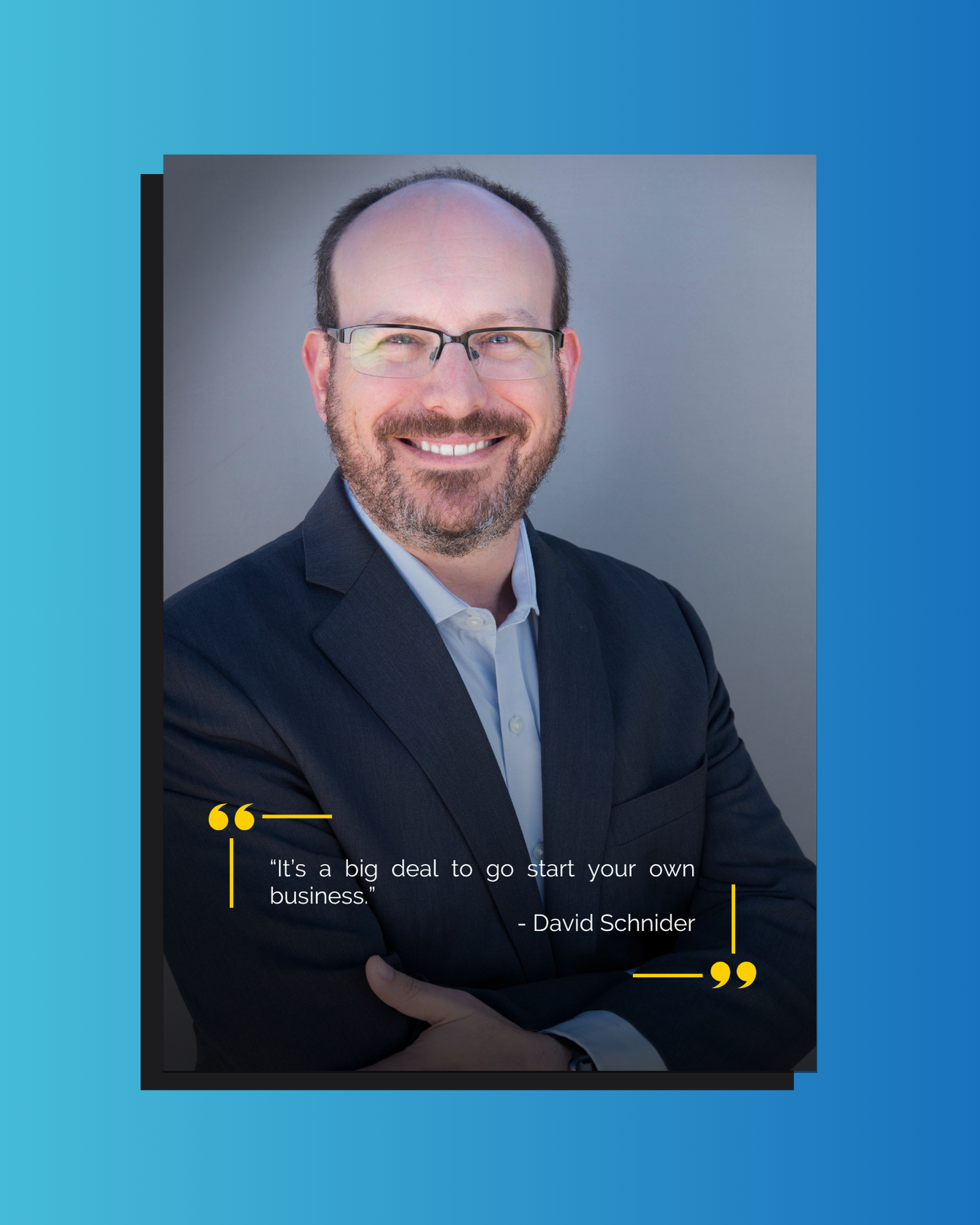
David Schnider: It’s a big deal to go start your own business. How did you go about doing it?
David Born: Yeah, I mean one of the things that I was doing at Warner Brothers when I was still in Australia, I talked about doing sort of food and beverage and these QSR promotions, quick service restaurant promotions with Happy Meals at McDonald’s and so forth. But there was this other area of licensing that always fell into my lap because it didn’t fall into any traditional areas of licensing, and that was licensed advertising. At the time we called it clip licensing, today the industry sort of calls it licensed advertising, where a big advertiser licenses IP in one way or another in their ad campaign. We worked on a really big project with ANZ Bank, one of the biggest banks in Australia. And they licensed The Mentalist. They had the character Patrick Jane, played by Simon Baker, Australian actor Simon Baker, reprised his role for a series of campaigns that were across Australia, New Zealand, and I believe Asian markets as well. And it was a substantial license fee. And I remember at the time thinking, wow, this is a really lucrative area of the business. We should be doing more of this. When I was at Cartoon Network in London, we had Volkswagen’s agency come to us and they wanted to license Powerpuff Girls in their campaign. And again, it was a relatively lucrative deal. And it just fell in my lap because I was FMCG and Promotions. And so, I processed that deal. But, throughout that time, I was like, there has to be a licensing agency or a solution out there. Because one of the conversations I had with the Volkswagen person that I was working with on the Powerpuff Girls campaign, they said that it took so long to find the right person that they almost decided not to do it. And it became really clear to me after doing a bit of research that ad agencies are so far removed from the licensing industry, they don’t know who to speak to, they don’t know how to approach them, they don’t know how long it takes, they don’t know how to care for IP when they’re working with IP. And so that’s when there were a lot of light bulbs going off. And I decided to leave London, go back to Australia and set up Born Licensing, where essentially, we are a licensing agency that’s really focused on licensing IP in ad campaigns.
David Schnider: I know from your podcast and some of your posts that you worked on an amazing ad involving He-Man and Skeletor doing the Dirty Dancing routine. Can you tell us more about that one? Because that’s an amazing ad.
David Born: That was a big moment for us. So that was 2017, and that was the one that really put us on the on the map. I think one of the challenges that I had leading up to that was the elevator conversation, the elevator pitch. I found a little bit difficult to sort of explain to people what licensed advertising actually was. And the moment that campaign went live, that was my elevator pitch, particularly in the UK, where I would say, I did that campaign with Skeletor and He-Man, dancing to Dirty Dancing. So, they recreated that iconic dance from Dirty Dancing, which was at the very end, we had He-Man lifting Skeletor and that iconic Dirty Dancing lift. And it was incredible. It went viral. Even though it was a UK campaign, I knew that it had gone global around the world because my partner’s mum, who’s in Brazil, sent me a message and said, have you seen this ad?
David Schnider: It’s amazing.
David Born: And I was like, yeah, I’ve been living and breathing it for the last nine months. And then I did some research and it turned out that it made mainstream news in Brazil. And I was like, my goodness. This it was my first experience in working on a campaign that went viral. And yeah, we have not looked back since, it was it was an incredible, incredible campaign to work on.
David Schnider: Yeah, for anyone who hasn’t watched it, it’s on YouTube and it’s worth going and checking out.
Greg Pan: Yeah, it’s burned in my memory because I remember the first time I watched it. I’m like, this is incredible.
David Born: You know, even I was at agency meeting here in LA and often what we do is we take them through case studies and how it kind of happened. And every time I show that campaign, and every time, without a doubt, you got people tapping their feet, nodding along, laughing hysterically, because there’s so many great moments within the ad that’s like little funny moments. This is funny, this is funny, this is funny, and then throughout and you just see them. You know, it’s a two-minute ad, so it’s quite a long ad. But, you know, it goes so quickly because that they just, they just love it. And it really, opens people up in a meeting, really gets them laughing and kind of like loosens them up a bit, which is great.
David Schnider: So, I mentioned when I read your bio the three different companies you have. Can you explain a little bit more what each one is and how they’re different?
David Born: Yeah, so we’ve had the company now for twelve years. The majority of that has been Born Licensing, focused on the licensed advertising side of things. A few years ago, we started Born to License. And the reason why I started that was because a lot of companies would come to us as my profile kind of got bigger and bigger in licensing, more companies would come to us saying, we need some help with licensing for consumer products.
And for years we’d say that’s not what we do. We’re focused on advertising. We can’t help. We can’t help. And I felt really bad. You know, these companies were struggling to get into the licensing world. Sometimes it can be really hard to get your foot in the door. And so, I ended up starting a new division, Born to License, focused on helping manufacturers with their licensing. And so, we essentially become their licensing agents.
And so, we have almost 40 clients now from around the world where we help with their licensing. From kids’ personalized products from like bento boxes and drink bottles. We’ve got trading card clients, we’ve got backpack, tactical backpack manufacturers, we’ve got apparel clients, toys and games, even loose-leaf tea collections, you know, we did an amazing one with Peanuts and they just launched Strawberry Shortcake.
And we’ve signed licenses with every licensor you can imagine, from Disney to Warner Brothers to Mattel to Hasbro. We even launched a collection with John Deere recently with our health and beauty client Everyman Jack, which was initially exclusive to Walmart, which just did exceptional for them. And so, this is a separate area of the business that has now got a life of its own. We’ve got a whole team sort of dedicated to that and we’re doing some really amazing things. I’m really proud of where we’ve come in such a short amount of time.
David Schnider: And then Learn to License?
David Born: So, Learn to License came from a lot of companies contact us and they’re just not ready for licensing. They’re not ready to be a Born to License client. There’s work they need to do on their side to kind of get to a place where they’re ready for licensing. And I found it really difficult to kind of explain. We had so many people contact me, say, can I just jump on a 15-minute call? I just have a few questions. And, you know, as my bandwidth became thinner and thinner managing a growing team in a lot of different business areas, it became clear to me that I have to say no more than I say yes, unfortunately, with these meeting requests. And so, I decided I’d create, sort of similar to MasterClass, a course helping those that are interested in licensing understand how it works. And so, it’s a course with kind of like six different sections. And it really is a beginner’s guide to all things licensing. It’s really well produced. We did in a studio and you know, we paid a proper production company to do it and it looks incredible. And it’s really is like the fundamentals, the basics of licensing. And now it works really well because now anybody that’s like, hey David, can I just have 15 minutes of your time? I’m like, here, do the course. The course will give you more than I could possibly give you in 15 minutes and it’s I think at the moment with prices at ninety-nine dollars. So, it’s really, really affordable. That is not a profitable revenue stream for us. That wasn’t the purpose. The purpose is to help more people understand how the licensing world works.
Greg Pan: And Dave, you mentioned you were at the licensor at WB. And you’re right, I think at that from the licensor side, you’re not really creating these types of marketing opportunities they kind of just fall on your lap. So, it sounds like you found like a niche or an opportunity to kind of bridge that gap between brands, manufacturers that want to do some type of campaign. How did you kind of build that up? Was it more about working with the client and finding the right licensor and brand to work with? Or do you start very from the beginning of like which products you want to promote and then, branch out from there.
David Born: Yeah, I think our goal has always been sort of raising the profile of what licensing characters and IP and advertising can do. And so, every conversation we have, every time we engage with an ad agency, it’s always about you should be thinking of characters, you should be thinking of licensing iconic clips in your campaigns, and trust that they’ll come back to us as kind of like a one stop shop and to support them with this. We have been encouraged in particularly in recent years - bring us in really early. Because what we found was that ad agencies would come to us with this script that’s basically finished, that the client has looked at, fallen in love with, and it’s absolutely not feasible for whatever reason. Maybe they don’t have the right budget. Maybe the creative just doesn’t make sense for that particular character or that particular IP. Maybe they just don’t have enough time. Maybe there’s some other things that are in the way of making it feasible. And we say, well, we can think of some plan B options and they’re like, they’re you know, we’ve already sold it to the client. If they can’t do this, they won’t want to do anything else kind of thing. Now we’ve educated the ad industry to come to us early. Come to us and tell us what you want, but be open to plan B and plan C and come to us before you go to the client. And so now we’re finding a lot of agencies actually bring us on really early. They say we’re looking for this type of character. Here’s the brief. So, here’s what we’re trying to achieve. Here’s the timing. Here’s our production budget. And can you come back with some solutions? And you know, even this week we’ve had two calls with major brands, which I won’t mention here, but like significant Fortune 500 companies that are letting us into their advertising process, what they are trying to achieve next year from their advertising. What type of IP they’re interested in and we’re actually coming to them with solutions. And often we come to them with characters that they haven’t considered before and are actually an even better fit than what they were thinking to begin with.
Greg Pan: Yeah, so it sounds like the clients they may have a character or genre in mind, but they don’t even know which properties that they’re trying to tackle. And you’re there to kind of fill that gap for them.
David Born: Yeah, absolutely. Often, they’ll come with a character. They have no idea who owns the character. They have no idea how fast that approval process or exploration process will take. And they have no idea how much it’s going to cost or even if it’s feasible. There are so many stakeholders involved, typically on the licensor side, and there’s so many things to consider that may prevent an ad campaign from happening.
And so, we’re really happy that now we’re able to come in earlier, and keep the creative intact. And maybe we take one character out and put a character in. I mean, a great example of that is what we did with Direct Line. It’s a UK insurance company. We worked with them a number of years ago. They came to us with a very, very ambitious script that was great on paper, but it didn’t make sense creatively for those characters that were in there. It was going to be enormously expensive and they just didn’t have the time to do it. And it was all about finding characters that were known to save the day. And so, we went back to them with 150 different characters that we felt like kind of met that brief. And then from that, we whittled it down to three, and we ended up launching three really incredible campaigns. One with Donatello from the Ninja Turtles, one with Bumblebee from Transformers, and one with RoboCop. And those were characters that they had never even considered. And so, you know, we do love when we’re brought in at that early process so we can really make sure that this amazing idea that they have actually materializes.
Greg Pan: So, it sounds you might have to educate the client sometimes on like properties for certain demographics. So, they might say, hey, we’re trying to do a product for kids. Can we get He-Man? And like that might not necessarily be a kid’s property today anymore. So, you have to kind of talk to them about like, well, this is what might be more popular for the age group that you’re targeting.
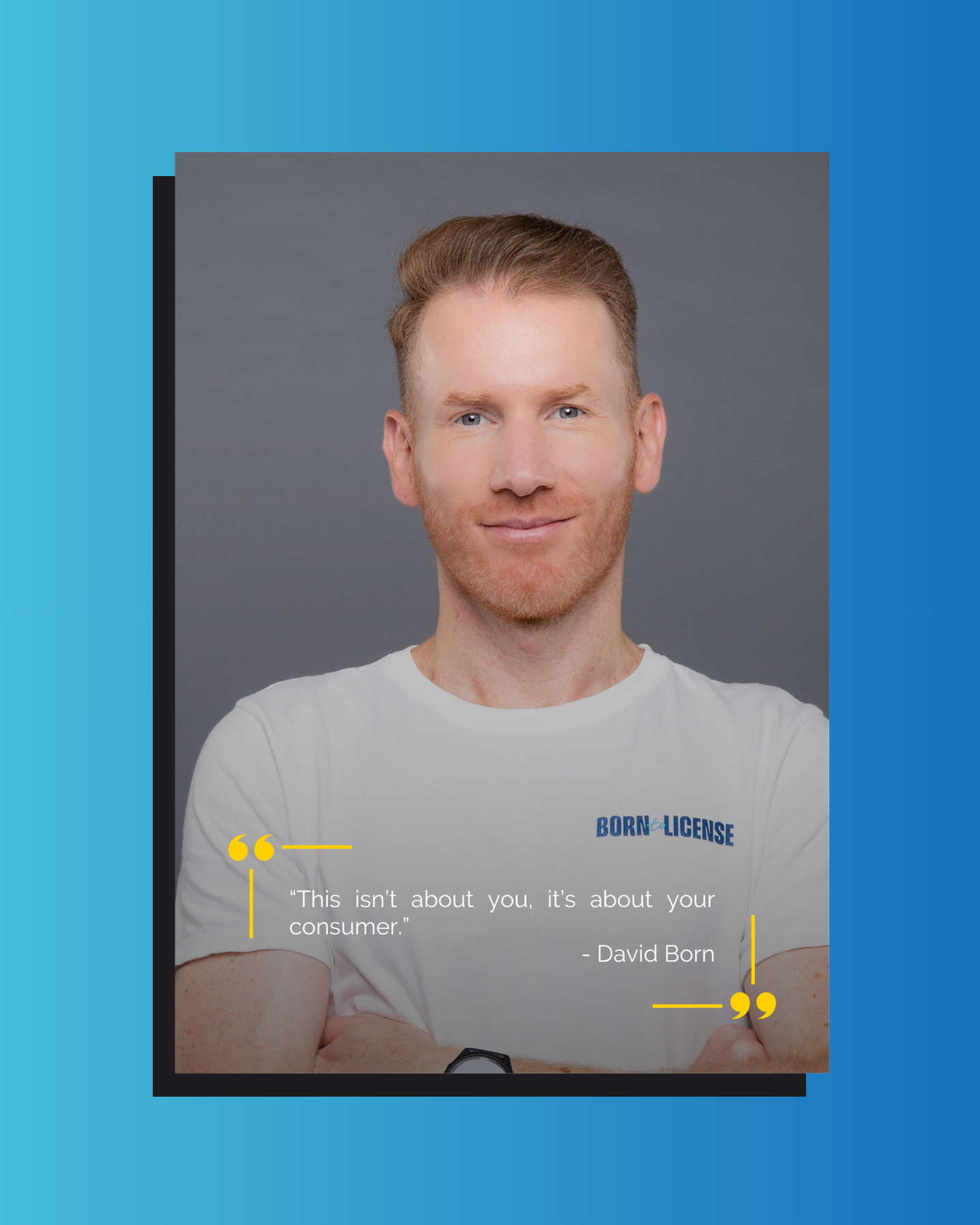
David Born: Absolutely. There’s a lot of that. I do find that there’s a lot of agencies will come to us and say, our household loves this or I grew up watching this and it’s like - this isn’t about you, it’s about your consumer. So, tell us more about your consumer then from there we’ll figure out kind of like a short list of characters or IP that might be more suitable.
David Schnider: Do you find that there’s a shift at all in the types of characters people are using from maybe tentpole movie characters to characters or IP that derives from social media or from Asia or other sources?
David Born: We often don’t get a lot of requests come through that’s kind of like around the hottest IP on the planet. So, like I don’t think we’ve had anything through from KPop Demon Hunters. We’ve had a couple through for the likes of Bluey, but I would say that the trend that doesn’t go away in this space is nostalgia. A great example actually is what we did with General Mills, and their Box Tops campaign recently. So, Box Tops is a program that they run on hundreds of different SKUs from their brands Cheerios, Annie’s, Nature Valley, Lucky Charms, and hundreds more. And they licensed Saved by the Bell, you know, the nineties sitcom that we all grew up with. They brought back some of the cast to reprise their roles and it was pretty incredible. And the reason why they did that was because the person that was watching Saved by the Bell as a child or a teenager in the nineties, they now have children of their own. And they’re now doing the supermarket shopping and filling their kids’ lunch boxes and so forth. And so, they really did a great job at tapping into nostalgia and using the Skeletor and He-Man campaign. What it was two amazing nostalgic properties being fused together, Masters of the Universe and Dirty Dancing. You know, what I just mentioned with Direct Line, RoboCop has been around for decades. The Ninja Turtles have been around since the 80s. And then obviously Bumblebee from Transformers is such a generational franchise. If you were to go onto our website and look at all of the work that we’ve done at Born Licensing, you would see there is a real common trend that nostalgic properties are sort of like coming back in advertising.
Greg Pan: Yeah, I was going to ask this is your lean more towards nostalgic and evergreen type properties, is that because they’re easier to work with versus like new movies that are coming out? Because sometimes the studios might want to push new movies that are - and time those marketing campaigns together.
David Born: Yeah, I would say that we work less on kind of like theatrical partnerships. And I think the reason for that is because a lot of agencies are probably more well versed in that. And there’s the studios and have their own sort of theatrical partnerships teams that are much more proactive in engaging with the advertising community and with brands. And so, they already sort of like have that covered and people, agencies don’t necessarily come to us for stuff like that because I feel like the barrier to entry is a lot easier. There are people they can get in touch with relatively quickly to do those kinds of partnerships. For us it’s really about those kind of unlocking what’s in the vault of these studios and tapping into, those brands that are that kind of have evergreen status or have that kind of generational appeal.
Greg Pan: It takes more specialized knowledge to know how to tap those properties for different types of campaigns.
David Born: Yeah. Yeah, absolutely. It really does. But it really pays off. You know, I always talk about, that that Skeletor and He-Man campaign with MoneySuperMarket. MoneySuperMarket is a comparison website. So basically, if you’re looking for travel insurance or you’re wanting to buy a new car or you’re, you know, looking for home insurance or something like that, it gives you a lot of different options so you can compare from different providers. And, the Skeletor and He-Man fans and the Dirty Dancing fans that grew up with those properties, they are now going on holidays and they need insurance. They’re buying cars and they need insurance. They’re buying houses or they’re getting mortgages. And that is kind of like a bit of a trend is that, kids that grew up in the eighties and nineties seeing characters that they used to love back in advertising, it gets their attention. And they now have disposable income and they’re now going supermarket shopping and so forth. And it’s just a brilliant way to kind of cut through the clutter of what advertising is these days.
Greg Pan: Yeah. I think if I mean if we look at like the last several Super Bowls, it’s all nostalgia hits. It’s all references to like the eighties and the nineties and now early two thousands because that’s the stuff that, it has a has an emotional connection for whole generations of people. So that’s why it’s so effective.
David Born: Definitely. I mean, Super Bowl is a great place to look every year. They’re tapping into nostalgia in new and exciting ways. And then I would say like the UK Super Bowl, where we’ve done which is the Christmas period, that’s the UK, that’s British advertising Super Bowl, they do a lot of these things as well. A couple of years ago we did a really great campaign with Buddy the Elf from almost everyone’s favorite Christmas movie, Elf, that was really good, really tapping into that kind of nostalgia. And more recently we’ve been doing a campaign with the BFG from the Roald Dahl Story Company for the supermarket chain Sainsbury’s, which again is kind of like a generational cherished brand that again kind of taps into nostalgia.
David Schnider: So, shifting gears, one of the things I enjoy in listening to your podcast that you often cover relevant topics, things in the industry, and one of the hottest topics has been the merger or the acquisition by Paramount of Warner Brothers. Can you share a little bit what your thoughts are about that and particularly what impact do you think it will have in the licensing industry?
David Born: Yeah, I mean I love talking about this one because I’ve been watching it very closely. It’s really one of the biggest mergers that our industry has ever seen. And it’s got all the juiciness to be like a leading story. So, it’s, you know, often in the headlines well beyond the entertainment industry. I think it was less than a year ago where David Zaslav was giving Ted Sarandos from Netflix a tour of the Warner Brothers lot after they announced that merger. That was almost a year ago. A lot has changed since then. So since then, Paramount has managed to win the bid and a lot of drama has been playing out. I’m still not sure where it’s going to land. And by the time this airs, who knows what’s happening? Because things are shifting kind of like on a weekly, if not daily, basis. There has been a lot of commentary around this, around what it means for Hollywood, but there hasn’t really been much attention as to what it means for licensing.
And I think consolidation in our industry has historically not proven to be great. The Disney acquisition of Fox that resulted in, in my opinion, a lot of great IP getting neglected simply because the Disney portfolio was already so huge and they already had so many amazing franchises to focus on that some Fox IP got neglected. I think the same thing will happen here. I think top properties will get a lot of love, the love that they’re currently getting. So, DC superheroes, Harry Potter, SpongeBob, PAW Patrol, maybe like the Yellowstone franchise, Star Trek, Looney Tunes, Scooby-Doo, but there will be a lot of brands that won’t get the love they deserve. And the truth is as an industry, we’re already under-resourced. Licensor teams are stretched pretty thin. You know, we engage with licensors on a daily basis, and they are busy, busy, busy teams. They have a lot on. And when Paramount and Warner Brothers merge, I think we’ll see a lot of talented people with their jobs in jeopardy. Because David Ellison has been talking about six billion dollars of efficiencies. And what does that mean? That magic word efficiencies usually means job cuts. And I read in the Hollywood Reporter that they’re estimating at least 10,000 direct employees will lose their jobs. Some of those will be great licensing people.
And I think as a result, that combined entity, the Paramount Warner Brothers entity, they’ll have a licensing team that’s even more stretched than they are right now, having to focus on a portfolio that consists of thousands and thousands of properties. And I think something’s got to give as a result, IP will be neglected, and they’ll probably raise the entry point for licensing deals as well. So, it’s going to impact licensees too. So, I see this overall as not a great thing for the industry. We love working with Paramount, we love working with Warner Bros. Discovery. We’ll continue to enjoy working with them, whether they stay separate or if they have a combined entity.
But I think the majority of people will agree, even those in licensing teams at Paramount and Warner Bros. Discovery, that it’s probably better for them to not combine.
David Schnider: Yeah, I’m not sure people understand it’s easy to think a studio if you just if you offer them money, they have a property, of course they’re going to want to license it to you. And if it’s an esoteric property that they don’t do much with, it’d probably be even more attractive, even if you don’t offer them that much money because they’re not doing anything with it. But I think the reality is they have a limited number of people to both negotiate those licenses; to structure the deals even to review the products and I think it just makes it difficult for them to give any intentions you say to those properties and it results in fewer properties being licensed, not more.
David Born: Yeah, and there might be a scenario where they’re like, hey, there is a there is a property that we we’re actually going to consider doing a new film around. Maybe we’ll consider green lighting something in four or five years’ time. And what they’ll typically do is like, well, let’s clear the market, let’s put it on the bench until that film comes out. And then suddenly you have years where they just say, no, sorry, we can’t license this IP out. And so, yeah, it does prove to be quite tricky as they just focus on particular franchises. They go deep with franchises that are already performing, that retailers are asking for, and then they just don’t give any love or attention to the IP that either isn’t necessarily performing or just will not have the mass success that that they need to.
Greg Pan: Yeah. I’ve seen this on the Disney side. So, they have their quadrants of, you know, adult collectors, men, women, kids, boys and girls, and they look at what are the best performing properties for each of those specific quadrants. So, if anything, I think I think WB actually has some stronger properties, whether it’s DC or Harry Potter, that are better than some of the Paramount ones. So, I can see some Paramount ones definitely getting cut loose or minimized, they’re not going to be prioritized as much, when they start shuffling and ranking those IPs together.
David Born: Yeah, I think it’s going to be really interesting to see what happens. I think that there are sometimes positives that can come from this, and one of those will probably be it opens the door to smaller licensors coming in and, being able to engage with retailers and grow their licensing portfolios, you know, licensees that are not able to get a license with this new entity just because they’re not, you know, making the cut or not being able to not getting their calls answered, other licensors can be well and truly open for business. So, we might see some smaller licensors benefit from something like this.
Greg Pan: Yeah, and I don’t know, this has been kind of a percolating thing within the licensing shows, but there’s lots of vendors using AI based technology offering services to help on the deal making. And I think that arguably could help on a lot of the smaller deals. Do you see that see that making an impact with Paramount Warner Brothers? Maybe they use AI tools, given that they’re owned by tech people, to do a lot of transactions.
David Born: Absolutely. Yeah, yeah. They are - I think that they’re going to find every possible way to be more efficient and streamlined in the way they do business and AI will play a really key part in that.
Greg Pan: …to make back a lot of money for that acquisition.
David Born: Yeah, yes, there’s a lot of work. Once an acquisition happens, everyone needs to get to work because there is a lot of money that they need to make for sure.
Greg Pan: Now, from a consumer trends point, I mean, I think one thing that’s been changing a lot is what are the next generations, what are they really into? Is it the best time to really invest in these properties? Because I think these days, when you talk about DC, Harry Potter, Marvel, Star Wars, Pixar, these are turning into millennial brands. Should Paramount have been looking at different properties instead if they’re trying to target the next generation of consumers?
David Born: Yeah, I mean, I look at the next generation of consumers, and I know this is a topic that that David, you and I have spoken about is sort of like niche licenses, right? And I do feel like it’s getting tougher to have real success at mass targeting consumers because what they’re into is so much more fragmented than we’ve ever seen before. David, when I saw you at Comic-Con, I remember we had a chat there for my podcast. And one of the things that we talked about was like I don’t know what that person is dressed up as. I don’t know what this what that booth is all about. I’ve never seen that character before. And like, who is that? Who is that? What is that? And then we started talking about that niche licenses. And there is just so much out there that I haven’t seen. And I think this, you know, makes me think about when I was a kid, I would sit in front of the TV and I’d watch whatever was on one of the five channels available to me. Or I’d watch a VHS. And if I want to listen to music, I’d listen to the radio, whatever they kind of fed to me, or I’d put on a cassette. And at some point, that became a CD. But my choices were very limited. Today with all the streaming services, with cable channels and of course YouTube, you can watch anything, absolutely anything that you want. Audio is the same. Spotify, you know, you can go in and just choose what song do you want to listen to, what playlist do you want to listen to, what album do you want to listen to? You find it, click and play. And I think as a result, because we have more choice, our tastes and preferences have widened a lot. And we’re able to discover that there are things that we love that we otherwise wouldn’t have discovered, and we can actually go even deeper. So, I don’t know if you guys know this about me, but I’m a massive nerd for the reality show Survivor.
And back in the day, the year 2000, I was fourteen years old. That show was such an incredible discovery for me back in Australia. The finale of season one, here in the US, it was watched by over fifty million people. Now the recent series finale, Survivor Fifty, which did really well for them, the average was five point seven eight million viewers. So that’s almost a ninety percent decrease. But it was still the number one show that was a non-sports broadcast program. It was the number one show of the night. Why is that? Because audiences have more choice. So, you know, I mentioned before, we can go deeper now. So that so audiences are a bit more fragmented, but they have the option to go a lot deeper. And back in the year, you know, when I was watching Survivor as that 14-year-old, I desperately wanted more. I recorded the episodes on VHS and I’d watch them over and over again between kind of episodes and seasons to get my Survivor fix. But now there’s podcasts, there’s books, there’s blogs, there’s online forums, there’s games, there’s so many opportunities for me to go deeper with Survivor that I wish I could do back then and I wish I had more time to do so now. But the reason why I wanted to kind of like take you down that road of Survivor is because, this sort of represents how fandom has changed a lot. And our consumption of IP has changed significantly. And our options are so much broader now. So, we can choose what we watch and when we watch it essentially. And we can really go deep into those niches. And so those people coming back to Comic-Con, those people that we saw David, at Comic-Con, you know, this person that’s dressed up as a character from a comic book that we’ve never seen before, they probably live and breathe that on a regular basis. They listen to podcasts, maybe they create their own podcasts, they’re reading forums and so forth. They’re able to just go so much deeper in this property that we’ve never heard of because of everything that’s available to them.
David Schnider: Yeah, a couple of years ago my brother-in-law handed me a copy of a book and said, you should check this out. It’s this weird property called Dungeon Crawler Carl. And nobody had ever heard of it. And Greg and I were- Greg, you can share your theory from Comic-Con.
Greg Pan: Yeah. Yeah. I’m on book four by the way. I’m like tearing through them right now. It’s a great world that the writer’s building. Yeah, I mean my take on Comic-Con is I put a lot of weight into the cosplay element. If people are choosing, they’re saying Comic-Con’s a big deal. This is where you’re going to show your pictures of yourself on social media, it’s where you’re going to interact with your online friends or your friends’ friends.
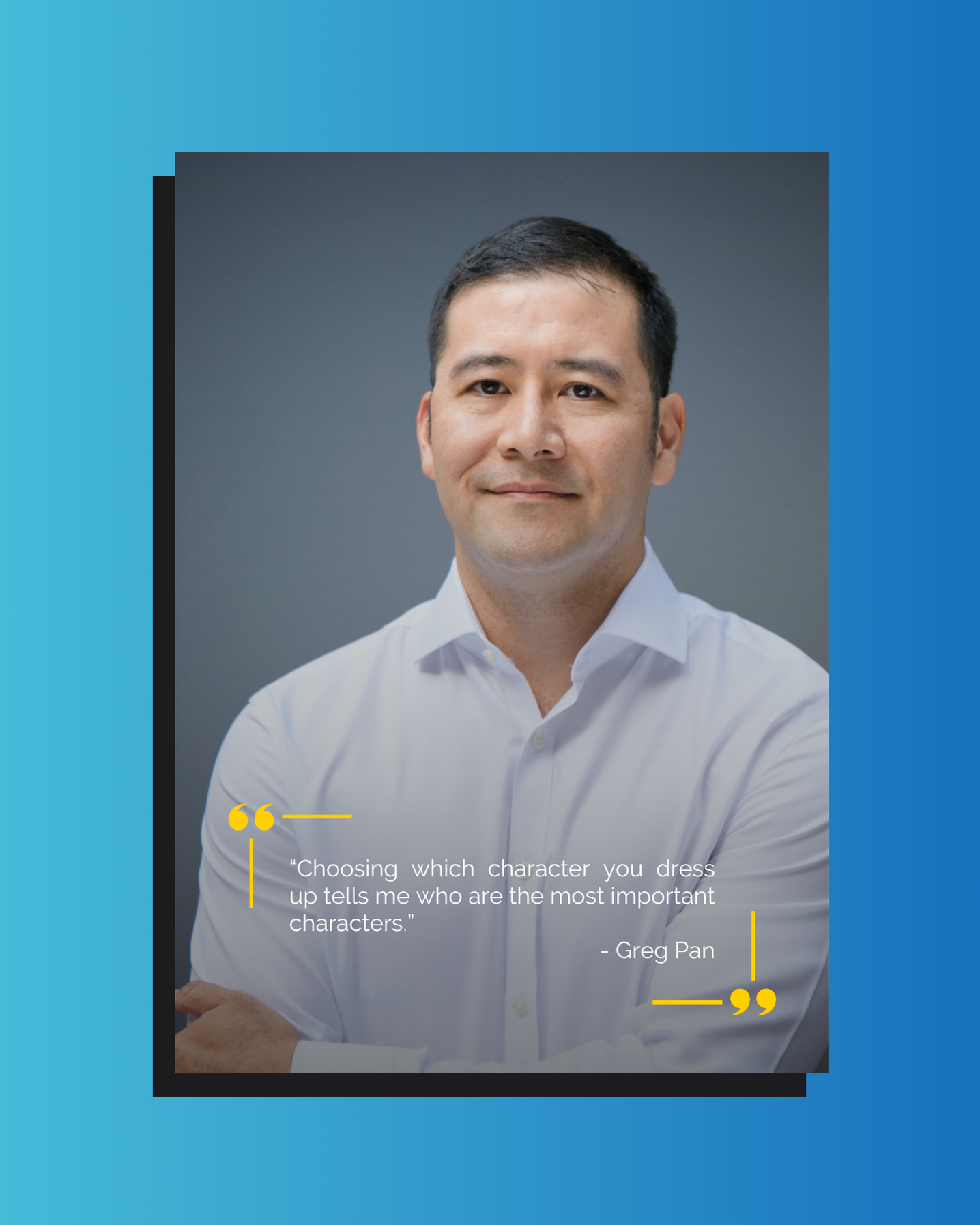
If you’re going to choose to dress up the character and walk around Comic-Con, which is a big crowded event where you’re going to be very sweaty and you’re going to spend these people spend a lot of money making a super accurate costume. You pick carefully, especially given what you said, all the media niches and content out there. It’s an important choice. This is like prom night type choice. So, choosing which character you dress up tells me who are the most important characters. A couple of years ago it was Stranger Things, the Antisocial Social Club. Super popular. Or the guitar character. Well, I saw a lot of those too. This past year at San Diego Comic-Con, it’s all Dungeon Crawler Carl. This is a property which is pretty much it’s a book, it’s an audio book. There’s an upcoming live action. There’s nothing else. And that tells you a lot that people are saying, I want to go to Comic-Con and I want to be seen as Dungeon Crawler Carl. A book that’s eight books in, I think. And among all the other things, it’s a Spider-Man year, it’s an Avengers year, there’s a lot of other content out there. That’s what most people chose to dress. And that really tells me that’s a very large indicator on where the pop culture zeitgeist is.
David Born: Yeah, that’s a great point. And Dungeon Crawler Carl is something that has come up in conversations a lot with my Born to License team lately. It’s it has a lot of momentum. It’s just one of those properties that’s really coming through. So, it’s I’m excited to see where that goes.
David Schnider: Yeah, they I believe just raised twenty-five million dollars on Kickstarter for a role-playing game. For a book based on a role-playing game.
David Born: Impressive. That’s incredible. That’s an enormous amount of money. I mean, congrats to them.
David Schnider: We could talk all day, but I think we’re kind of out of time. So, David, I want to thank you for coming on and talking with us. It’s a pleasure to catch up with you as always. Can you let people know where they can find you if they want to reach out?
David Born: Yeah, absolutely. So, if you want to listen to my podcast, it’s Born to License, available on Apple Podcasts, Spotify, wherever you listen to your podcasts. I’m also on YouTube if you want to look up the Born to License YouTube channel. I’m on LinkedIn, I’m on Instagram, and all of that you can find on my personal website, thedavidborn.com.
Greg Pan: And we look forward to your next campaigns.
Announcer: Thanks for listening to the Licensing Exchange. If you enjoyed the show, please share with others and kindly rate and review us on your favorite podcast platform. For more information on how we can help with your own legal needs, check out our services at nolanheimann.com. That’s N-O-L-A-N-H-E-I-M-A-N-N.com