
The Licensing Exchange Ep. 5: From Dial-Up to Deal Flow: Ari Zebersky & Dylan Karofsky on Modernizing Licensing
Licensing has always been a relationship-driven business—but behind the scenes, the tools powering those relationships haven’t always kept pace with how fast brands and fandoms move today.
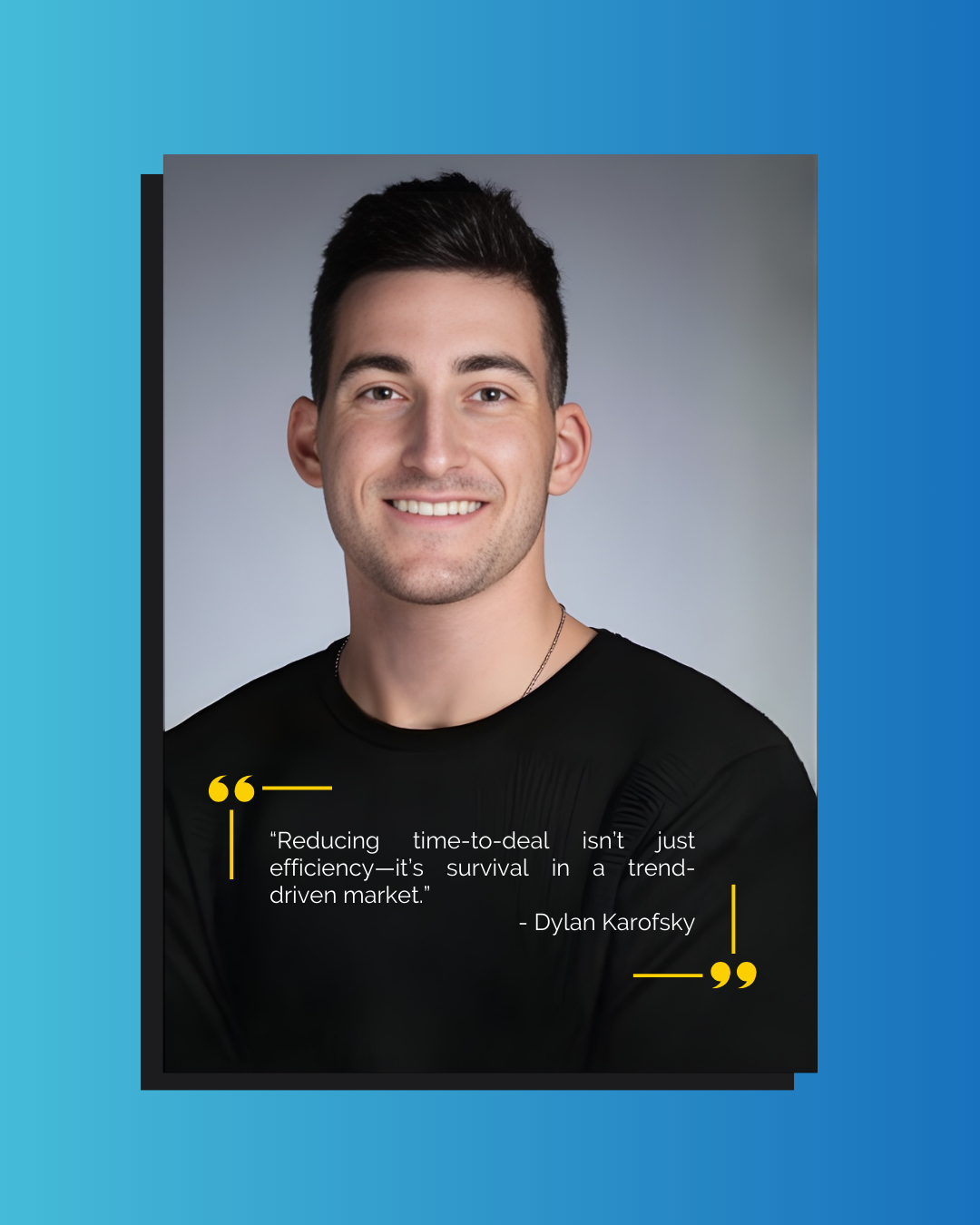
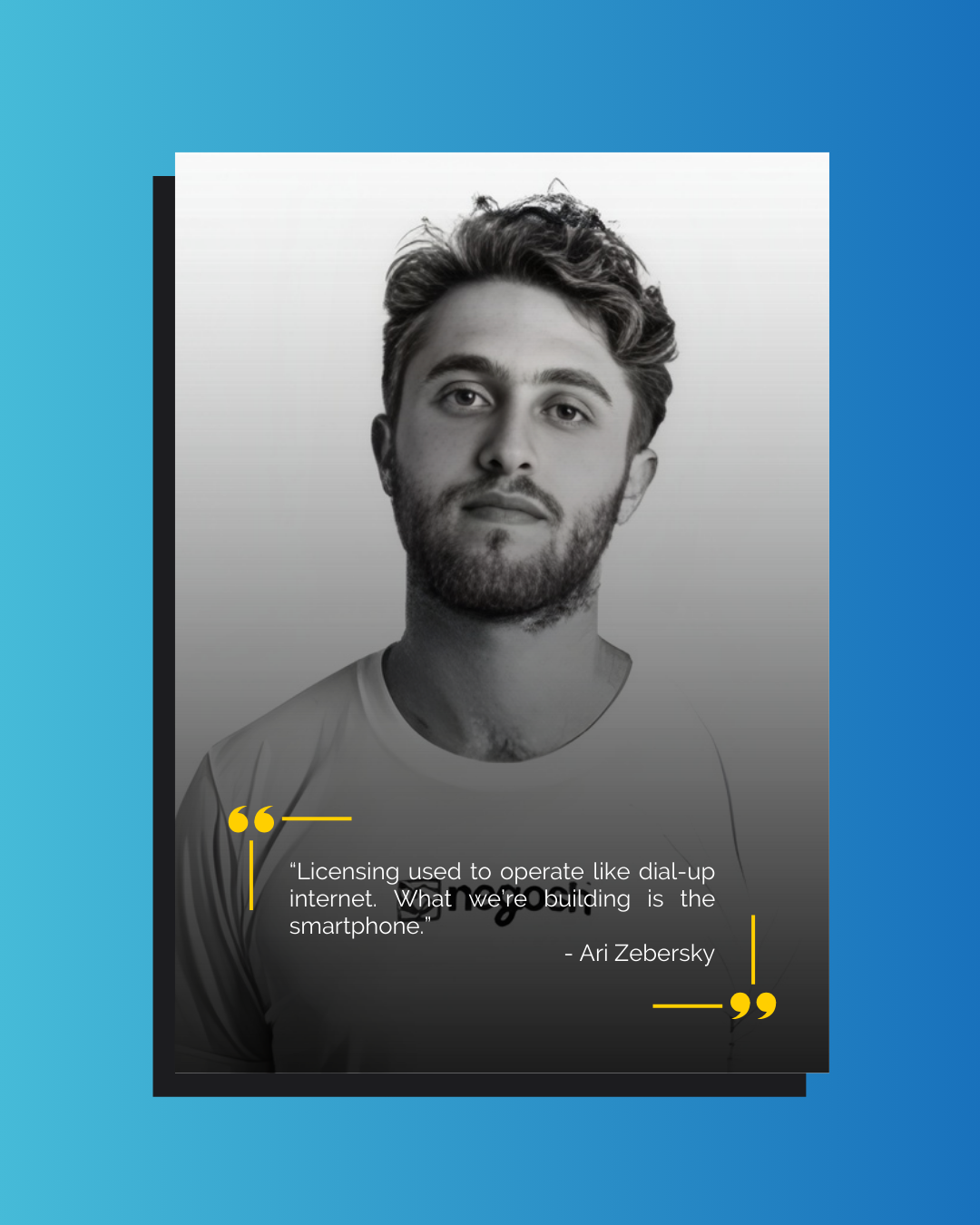
In Episode 5 of The Licensing Exchange, Nolan Heimann partners David Schnider and Greg Pan speak with Ari Zebersky and Dylan Karofsky, co-founders of Negosh, about what it takes to modernize licensing infrastructure without losing the human element that makes the industry work.
From reducing time-to-deal and improving transparency between licensors and licensees to navigating AI, creator-driven IP, and rapidly shifting consumer trends, Ari and Dylan share how Negosh is helping both emerging and established players find better-fit partners and unlock new revenue opportunities.
The conversation also explores how licensing is expanding beyond traditional tentpole properties into niche fandoms, UGC platforms, and digital-first brand ecosystems—where speed, clarity, and alignment matter more than ever.
The Licensing Exchange Ep. 5:
Podcast Transcript:
Announcer: You're listening to the Licensing Exchange, part of the Look Legal pods from the law firm Nolan Heimann lawyers for creative business makers. And now, here are your hosts, attorneys David Schnider and Greg Pan.
Greg Pan: We're here today with Ari Zebresky and Dylan Korofsky, who are the co-founders of Negosh. Negosh has the mission of creating tools and operating infrastructure for the licensing world a platform for our licensing and license source to work out the deals and processes and bring licensing to the modern era. Ari and Dylan, thank you for joining the Licensing Exchange today.
Ari Zebresky: Thank you for having us. Thank you for having us.
Dylan Karofsky: Yeah, thanks again.
David Schnider: So, guys, I don't think anyone went to school and thought, I'm going to be a licensing person. That's my dream. So how did you guys get into this industry and are you want to go first?
Ari Zebresky: Yeah, so I was kind of born into this industry. I feel like most people that are in this industry are their absolute fans, which I am, or they're born into this industry and I happen to be both.
So, my family, they founded a toy manufacturing firm called Jazzwares. And I think that was (can’t hear this) to why I ended up founding Negosh alongside Dylan because I remember the days that they were first starting out their business and trying to get in touch with the right IP holders and get access to that.
David Schnider: Dylan, how about you?
Dylan Karofsky: I got into the industry in a very similar way to Ari. Having grown up and been around the licensing and toy industry had always given me interest in not only the actual way that things are made, but also the brands associated with them. Just like Ari, I'm a huge fan of a lot of the brands that we work with and just fandom in general. So, having been around the licensing and toy industry my entire life gave me lot of into the industry and eventually Ari and I started the business together.
Greg Pan: And tell us more about what Negosh is because, being in licensing industry, it's a very interpersonal industry. People need to know each other, need to know the licensees or licensors, and the deals are very, you know, deal memo focused. How are you guys using technology to make this process and the system faster, better, more efficient for the licensees and licensors out there?
Ari Zebresky: I always like to use this example that the industry was in the age of the dial-up telephone. What Negosh is providing is a smartphone. What we're creating for IP owners and licensees is just more enhanced access. We are a marketplace that connects IP holders with licensees globally for collaboration, fielding, territory expansion, and product category extension. Licensees can come onto our marketplace and discover exactly the right IP holder that they're looking for. And they can see with full transparency the product categories and territories that are available and from there, when they actually go and message or inquire to that rights holder, they're getting directed to the right person, a part of the organization.
Then vice versa on the IP owner side, they're able to find all these new incremental revenue streams that they had absolutely no idea existed in the past. And we hear that a lot from the licensors that utilize Negosh that, you know, when they first joined Negosh, they're expecting a flood of apparel manufacturers, right? A lot of like the same stuff that they're used to seeing. And while we have definitely closed apparel deals, many apparel deals through What I think people really enjoy is the uniqueness in the diversity of deals that are going through Negosh, deals that they never would have even thought of.
David Schnider: Can you explain a little bit how the process works? Because I know the traditional license, have licensee goes to maybe a studio and you have a negotiation and you work out contract terms. There's a lengthy approval process. How do you deal with all of that on the platform?
Ari Zebresky: Yeah, a licensee will come on to the marketplace. They'll inquire directly to that rights holder. There are two mechanisms to reach out. There's one mechanism, which is just the message feature. And this is as if you're just sending a chat message to them, asking maybe before you want to create a proposal or truly engage with them, you just have a question. Do you have the right assets? What's your standard MG range, whatever that may be, prior to actually writing a proposal, or we have licensees that just from the get-go, write a proposal that include MG numbers, royalty numbers, product category, territory, all the different stuff that you would find in a deal memo. And a component of Negosh is that the IP owner will upload their own deal memo onto the system, so it's all highly flexible, highly customized.
And then from there, they move into the chat feature, which is directly integrated with email. So, from there, they negotiate back and forth. And within our deal negotiation suite, there's all these different tools to just kind of unclog bottlenecks. One aspect is just the sample request tool. So, we have firms that prior you had to have two or three conversations to finally get a sample and then samples take two weeks and then things are held up. We have firms that now they want to touch a field product before they even start talking to a licensee.
On top of that, we have real time deal memo editing tools where you actually get audit history of exactly the changes that happen within deal memos. And kind of what I think people really enjoy a lot about that deal negotiation suite is that everything is in one place and you're able to see exactly how the negotiation, exactly how the conversation is going. Because in the licensing world, stuff happens. Maybe someone goes on vacation. Maybe someone shifts roles, whatever that may be. It's always nice to have that negotiation sit in one place and never lost.
David Schnider: You get to like the contract, because we're lawyers, that's what we deal with. Each licensure tends to have their own contract. Is it their standard contracting practice or does Negosh offer contracts or both?
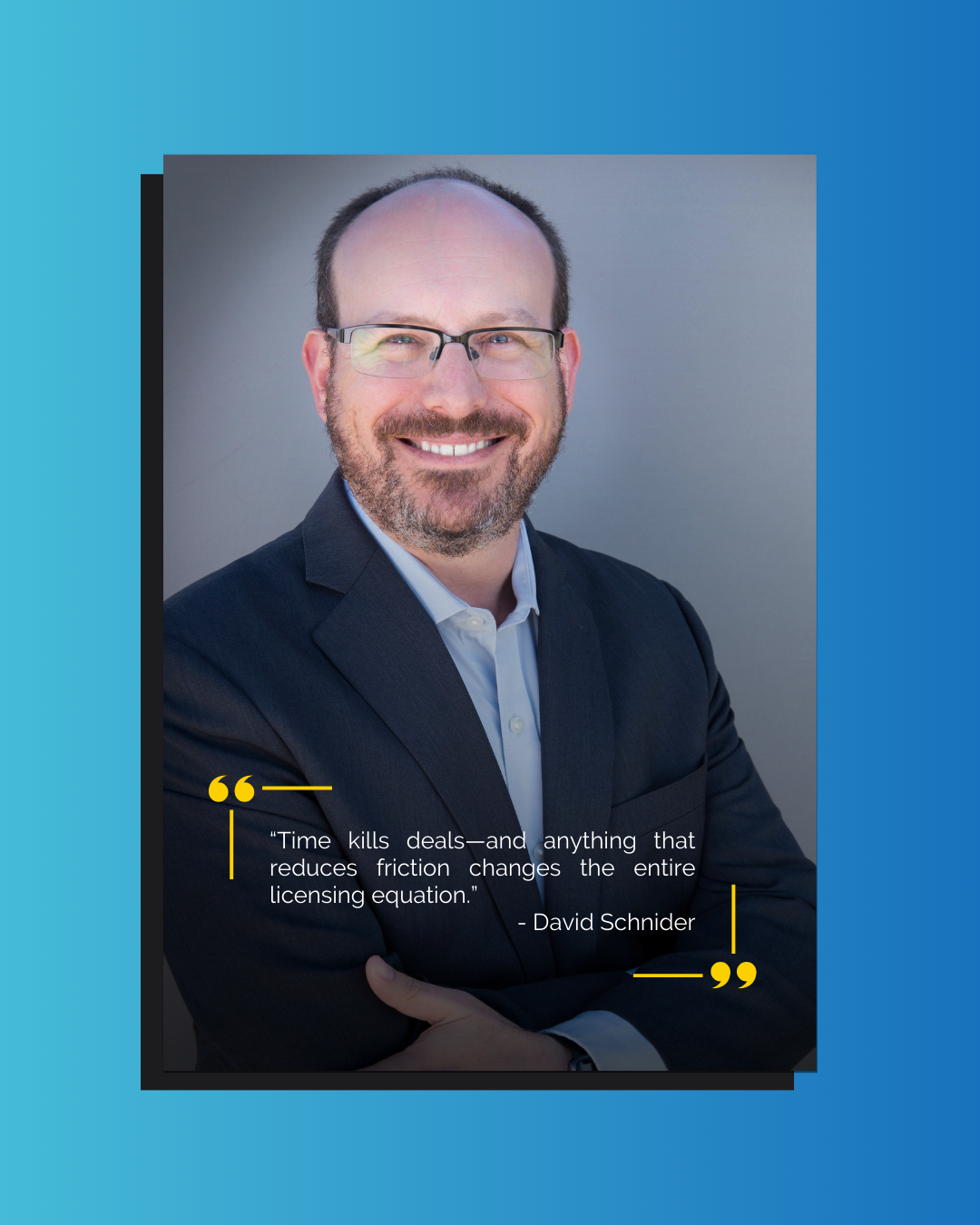
Ari Zebresky: It's actually a little bit of both, but mostly their standard contract that IP holders want to use the contract that has been vetted by their lawyers. So, they'll submit their contract into the Negosh system and we have a docusigned API for them to actually sign it. The actual negotiations for and red lines processed through the Negosh platform or sometimes people may take it offline and you know that's just the natural order of the business. What we've seen though is that for businesses and deals that actually go through the marketplace. Typically, deals take about six months to close. We see that dropping down to around two months. So, it's just purely for kind of transparency and communication. Everyone being able to sync on one platform and kind of with the incentive, the overall intent of just getting a deal done. As we all know, time kills all deals.
David Schnider: Yes.
Greg: Right.
Dylan Karofsky: Yeah, and jumping off that point a little bit, it's really important to note that we're drastically reducing the time to deal. And that is because like Ari said of the transparency that happens through the Negosh marketplace. Right? everyone knows that if you're on the Negosh marketplace and you have a brand that is listed with the proper product categories and territories that are available for your licensing program, that you're interested in making a deal. So already the licensees have incentive to send a proposal through because they know that if there is a brand with the availability listed that they are looking for a deal, there is interest. And amazing that licensees now have a place to go where they can find out what brands are available if their favorite brands have the availability that even matches the product category that they specialize in. And if all of those things do match up, the Negosh marketplace makes it extremely easy for those licensees to send a proposal through to the brand owner with all of the information that they would need to send in a initial deal proposal or in an initial deal memo, instead of having to go through the entire discovery process have multiple meetings to see if they're even talking to the correct person from the right team at the organization, as well as if the product category that they specialize in is even available in the territories that they want to work in. All of this information is provided upfront, which just reduces that time to deal drastically, which is very important in today's world when everything is about time of the essence now, trends are lasting a shorter amount of time. So, the time that it takes from the licensing deal to start to the product hitting shelves is of more importance than ever. And so, reducing the time to deal is super, super important. And that's one of the goals that we have here at the company.
Greg Pan: In the licensing world, experience matters a I'm sure for companies that have experience in licensing, using your tools is a benefit, but can you talk a little bit about new licensees and licensors who are finding out there's a potential revenue opportunity? How do you get them into the system? How do you train them and teach them about how to start the first licensing deal?
Ari Zebresky: Yeah, so we have a lot of different options for licensees that are emerging. One aspect is actually in partnership with Nolan Heimann, the Negosh Academy, where emerging licensees are able to take a full course on kind of what they need to know going into a licensing deal. And I think something that's really important for licensees to understand is what is the right licensing field to start in. Greg, you actually honed in on this in Negosh Academy, which is, if you're a licensee that's just starting out, may not be best for you to go to Disney the first time, may not be best for you to go to Pokemon. It could be a recipe for disaster. Start off with IP that's more manageable for you. And that kind of advising sits in the Academy, but on the same token, actually lives real-time in the Negosh AI Assistant that lives in the bottom of your screen throughout the entire session that you're on Negosh. Whether you need advice going through a deal process, figuring out what the right IP is based off your experience in your company profile, the right MG, the right royalty rate, we're able to provide that information through a decade of experience that live within that Negosh AI Assistant.
Greg Pan: Yeah, that's really interesting. Like for a lot of newer product companies who don't really have a licensing system or a fully built, you know, program or their own a portfolio, but they want to get into licensing. You're right. Getting starting off the Disney or Nintendo is not one, you probably can't get a license anyway, but two, even if they did the whole process could potentially sink the company. But I think one of the big gaps in this industry is it's incredibly hard to find brand or licensor that fits for the size of your company. So being able to connect them with those types of brands that are, for smaller, more niche audiences. It's very, very difficult for product makers to find them, to even know that they have a licensing program.
Ari Zebresky: Totally, and I won't say that the kind of scale of emerging really is so wide because someone that's doing a billion dollars at retail is considered emerging if they've never done a licensing deal. So, something that we've recognized is that the term emerging licensee doesn't particularly mean small. It just means someone that's inexperienced. It just means someone that's green to the licensing industry. And what we try to do is kind of be there, we like to call it angel on their shoulder, of telling them, you know, pushing them along the way, making sure that they're not making the classic mistakes that people make in this industry.
Greg Pan: Do you have any success stories of a small brand that got into this not quite knowing what they're doing, but started to build a bustling licensing portfolio and were able to grow a whole new vertical for their business?
Ari Zebresky: 100%. I have many different examples, but one specific person that comes to mind did the other course for Negosh Academy for emerging licensees, funny enough. So yeah, the guys from Infinikey, now called Mkro, they are a mechanical keyboard manufacturer. Dylan actually discovered them in the kind of back of CES and what they mostly did was white label for operations that we're looking for, mechanical keyboards, right?
What we instantly recognized was this is a niche product category. It's high in demand for the gamer category. we went up to them and said, Hey, are you guys interested in licensing? And Michael, amazing guy, genius. He, he said, what is licensing? And so, we, kind of took them down the path and that was actually one of the first licensees to join the Negosh. And we're, so incredibly happy to say that we've closed many licensing deals with Michael and have been able to see him grow within the industry and strike all these amazing deals with Sega to a lot of really great IP.
Greg Pan: Yeah, it's addictive. Once you get your first one, you realize it's not so hard, it's not so intimidating, and it's replicable.
Ari Zebresky: Of course, totally. It's that's what we see. And when we start to recognize is with these emerging licensees, just in terms of Negosh, but just in general is when a licensee discovers licensing through Negosh, they don't really want to leave because they're used to the tools that are right in front of them. So, they're used to kind of having that assistant in their corner or the deal memo templating or the chat negotiation. Yeah, I think that's also an interesting dynamic to highlight how Negosh is kind of shaping these new licensees that just don't know how to access or enter into the industry.
David Schnider: We often get new licensees, people are trying to break into the industry and will come to me and say, can I just get Batman? And the first conversation is you don't want to start there and you can't start there and you don't have the infrastructure for it. But it seems like this is where Negosh can be a game changer because those people ask, well, what license do I get? And that's a much harder question to answer when you're not dealing with the massive properties like Marvel or DC. And it seems like Negosh gives them a marketplace where they can go in and find all these things and the flip side for licensors as well, you know, licensors tend to have agents and they have categories they filled, but there are always more opportunities out there. They just don't have the resources to find them.
Ari Zebresky: Exactly. Yeah, that's exactly it. It's kind of whether you're established or emerging, incremental revenue is incremental revenue and that's what licensing is, right? It's all incremental revenue. Of course, acknowledging and making sure that everything fits within a brand vision and a brand goal. I think that what makes a Negosh so interesting to IP holders is that it's all additive.
And then on that same token, or on the flip side, kind of what else you were referring to in our emergency licensees and just in just Negosh’s discoverability is we're only getting better, right?
We're creating more tools, a lot of them grounded in AI to allow more licensees to discover license source. In fact, we're even creating a tool where licensors can reach out to licensees, which is a big moment for Negosh because prior only licensees can reach out to licensors. Stay tuned for when that product is planned to release. But we have a lot of IP holders and agencies excited about that.
Greg Pan: So, you guys are always been cutting edge your tech company as well. What's your take or how are you approaching the use of AI and licensing? As we know, not too long ago Disney struck a deal with OpenAI. So, there's been a lot of talk in the industry, what's licensing going to look like when it comes to using these new AI tools?
Ari Zebresky: Yeah, and I think what I like to kind of separate it in is how can IP owners, licensors and licensees utilize AI within their day-to-day business to optimize their business, to cut costs, to find more revenue streams. And then on the flip side, I would say with generative AI, right? How can IP owners actually participate within that world?
And that's a way more nuanced answer. On the one end, the operational tools, it's clear that there are so many operational inefficiencies within the licensing industry. You talk to any licensee, talk to any licensor, they all have a complaint. They all have a way that software can be optimized. And when we actually create a negotiate, what we did was we went through the entire life cycle of a licensing deal and said where are all the bottlenecks and we felt that we've created a tech product that addresses the bottlenecks in the what we call pre-deal stage so before the deal actually happens and in short, there are a lot of AI tools that are necessary within the licensing industry to both open up more opportunities, open up more categories, open up more territories. And then on the flip side, actually be able to run your business as efficiently as possible. And with efficiency comes higher royalties. It's crazy.
I mean, we're already living in a world where people keep on getting greater MGs, greater MGs. With AI, if licensees' jobs are less expensive, there's going to be more room for royalties. At least that's how I see the world in the far future potentially heading. And then in the gen AI space, it's so interesting what's happening. We've been on top of this for over a year now.
We recognize what the issues are within this entire space. Training data in general is trained on the internet. Copyrighted IP falls under that. So, it's evident that there is copyrighted IP that's being utilized within OpenAI software without the IP's explicit permission. There's no doubt about it. I think as this industry kind of expands, the firing gun was Sora 2 when that came out and I was blessed with early access to that. And during this time period there's this concept that Sam Altman implemented called the opt out policy that said, we have rights to any copyright unless you opt out of that copyrighted IP within the open AI system, which created a flood of copyrighted characters being generated.
I mean, I was able to generate myself riding a dragon with Pikachu by my side saying, Pika Pika. It's absolutely nuts what was happening during those beginning days in Sora 2. And then there was the flurry of cease and desists that came through the week later. But immediately when that happened, we instantly knew that, hey, this is the time that IP holders need to act. So, we were committed to figuring out what the solutions are within this space. it's an incredibly nuanced space. I think the AI developers that like OpenAI, Gemini, 11 Labs - they're all going to need to strike licensing deals. I think 11 Labs is actually doing it really ethically and responsibly thinking about their deals with, Judy Garland and Thomas Edison and those kinds of estates and rights. But then kind of when you look at the flip side of the OpenAI Disney deal, when that happened back in December, I think that the investment was a very big component in that deal actually happening.
I think that both parties had a lot of demand and intent for that deal to happen. think OpenAI wanted that deal to close. I think Disney wanted that deal to close. Disney felt like they needed to in order to kind of the, the insane kind of videos never being generated. But on that same token, it's technically difficult to actually implement guardrails, implement monetization strategies within these systems. So, without that billion-dollar investment, I don't know exactly how profitable this entire endeavor would have been.
So, from where we stand at Negosh, we feel that clear monetization mechanisms need to be created within this industry and proper attribution so that IP is actually rewarded for the data that's being trained on in the data that's being generated in the outputs. The question is how much?
I think these IP holders, are used to multi-million-dollar checks in the beginning. That very well in generation may not happen altogether. But what I do think is going to happen is, for example, with this Disney deal, when this actually, it's supposed to release in February, maybe March, you know, these tech timelines, they always get extended. You're going to see a lot of AI generated Disney content. It's going to be all over your TikTok feed. It's going to be all over your Instagram feeds. There's massive demand for this. You see it on the Reddit boards, Sora fell by 99 % after its first 30 days. What happened in those first 30 days? They stopped the bleeding with copyright infringement. And so, you see that they need copyright and IP to be able to create this demand to actually generate. And now that Disney has made this, we're going to see it actually come to use. We're going to see these generations happen. I just hope that there are so many generations that it warrants for a cent, if a cent per generation, theoretically a cent is even expensive, but let's say a cent per generation were to be paid out to Disney, that wouldn't actually add up to something substantial. That's all I'm hoping for.
Greg Pan: There's a lot of issues at play there. I mean, I think for the Disney deal in particular, there's probably more of a shareholder benefit by associating with OpenAI. Disney, of course, cares a lot about their brand. they must have been shown somehow that the guardrails in place with Sora are good enough that you can avoid inappropriate use of the brand prompt that can be created within it.
For Disney, there's a lot of different areas. It's all UGC. UGC is double-edged sword. On the one hand, can work closely with your fans let them play with your brand. In positive way, the negative side, can also let them play in a very negative way. I'm sure when the Disney stuff opens up, people are going to try to break it and figure out how to use these characters in appropriate way.
Ari Zebresky: Yeah.
Greg Pan: But outside the Disney's, from your point of view, other smaller brands, what do you think is the benefit for them to partner with a Sora? Do you think there's an opportunity there that might help their brands out that it's a little different from what Disney's incentives are?
Ari Zebresky: I think there will be. I think there will be an opportunity. I don't think that opportunity is going to be very soon. Like I don't think that the opportunity is today. I think that when you look at smaller brands and we have a lot of IP that directly after the Disney launch or kind of announcement called us up or like how do we get involved with AI generated content and AI models. First off, it's level setting with IP. It's saying that, look, there's not going to be a lot of money in this today. Does that not mean any money ever?
No. But let's use Studio Ghibli for example. So, the Studio Ghibli trend that took over the internet, they estimate that about 700 million images were created utilizing Studio Ghibli style, which in my opinion is absolutely disgusting that Miyazaki was not properly compensated, rewarded for that when he was preaching against AI use. And then of course they go and denigrate the art that he created.
Nevertheless, let's just talk numbers. 700 million images were created. That's what they estimate.
Let's say a cent was paid per image, which is a lot by the way, in the API space, a cent per generation is expensive. That one only pays Studio Ghibli $7 million. Now $7 million is a lot of money, but that trend took over the internet. So, if you're saying that the cap, the top, the most amount of money that you can make is $7 million on generated content that's not going to be enough for these massive studios. And it's definitely not going to be enough for the smaller tiers. So, there needs to be other commercialization methods. And what I think the industry is going towards is more of a utilizing AI generated content in the B2B space, commercial licenses, similar to a Getty images model, but when you're looking at smaller IP and I do think that there is going to be a mechanism very soon that open AI creates for rights holders to onboard their IP into that system. When that happens, it's going to be for marketing. you are going to utilize this because now you are a part of an ecosystem that is one of a kind. You see it in Jake Paul.
What happened with Jake Paul? Jake Paul, also an investor in OpenAI, granted the use of his face without monetization attached. He got billions of impressions through AI generated content that happened. That is what it's going to be in the short term. The long term, maybe there's some commercial aspects to this, but yeah, the monetization is the biggest question mark. I think the guardrails could be figured out.
David Schnider: So, one of the shifts I've seen in the licensing industry over the last few years is that licensing used to be focused on tent pole entertainment properties. So, you would have a big movie and there was a lot of licensing around that. And it seems like things have shifted now where you have social media, lot more niche marketing. You can have successful licenses with smaller properties hitting. It's much easier to reach the core audience than it used to be. You don't need a global film to be able to reach people anymore. Given that, I'm sort of wondering what trends you guys are observing and if you're seeing some shift in licensing activity with more diversity in properties.
Ari Zebresky: We just recently onboarded a property Brainrot. Brainrot, if you have kids, they're annoying the hell out you with them.
Greg Pan: Is this same as Italian Brainrot? Is the same thing? Okay. Yeah.
Ari Zebresky: It's Italian Brainrot, yeah, it's Italian Brainrot. So, the IP in fact is the characters that were created, they were originally created by AI and then they were fine-tuned with artists, which actually makes them copyrightable and so they were able to gain copyrights and trademarks over this IP. This may sound like nonsense to you, but like Tung Tung Tung Sahur and Ballerina Cappuccino, these are now licensable properties, right? Which is absolutely crazy coming out of my mouth.
These are creators that are originally Fortnite creators and Fortnite game developers that fell on this IP, met the original artists and original copyright holders and consolidated them. You're going to see that more and more and more in this age of social media and where trends are just rule the world. Not to confuse that with tentpole IP still reigns supreme. Tentpole IP still is king. When you have a firm or an organization that's investing billions of dollars in the success of an IP, odds are that IP is going to be successful. However, that's not to say, discount to the creator ecosystem that exists because it is highly relevant and highly revenue generating if it's done correctly. And I think that's the biggest question mark. Is it done correctly?
Because you see that there are a lot of these crater driven IP, again, are done by people that are inexperienced. And just because you have something that's trendy, you have to keep it trendy. That's the hard part.
And you know, again, when you have billions of dollars to invest in an IP, you'll keep it trendy and if you don't, and it's trendy just because it's a cool IP, that makes your job a whole lot harder and you have, unfortunately, have a whole lot less experience.
Greg Pan: Yeah, it's interesting. I think that the new technology as well as less of a grip on consumer products by retail, there's a democratization of brands where you don't need to come from a major studio. There are brands that come from major studios that are popular and do well.
There are also brands that they push and it doesn't do well. Avatar is huge movie, but consumer products typically do pretty horribly. At the same time, you can have this random entry-level content like Brainrot, we can get there, or like Skibidi Toilet, they come out of nowhere, usually retailers and traditional licensees are kind of too slow or behind the ball to kind of identify these things early. And retailers don't know about it, so they don't want to take the risk on new things. So now you have the opportunity for these brands that come out of nowhere, something they have 50 million views on social media, they're very well known within a specific demographic, now they can license out that property, find licensees much easier than before, and get product made. That's something that couldn't be done 15 years ago.
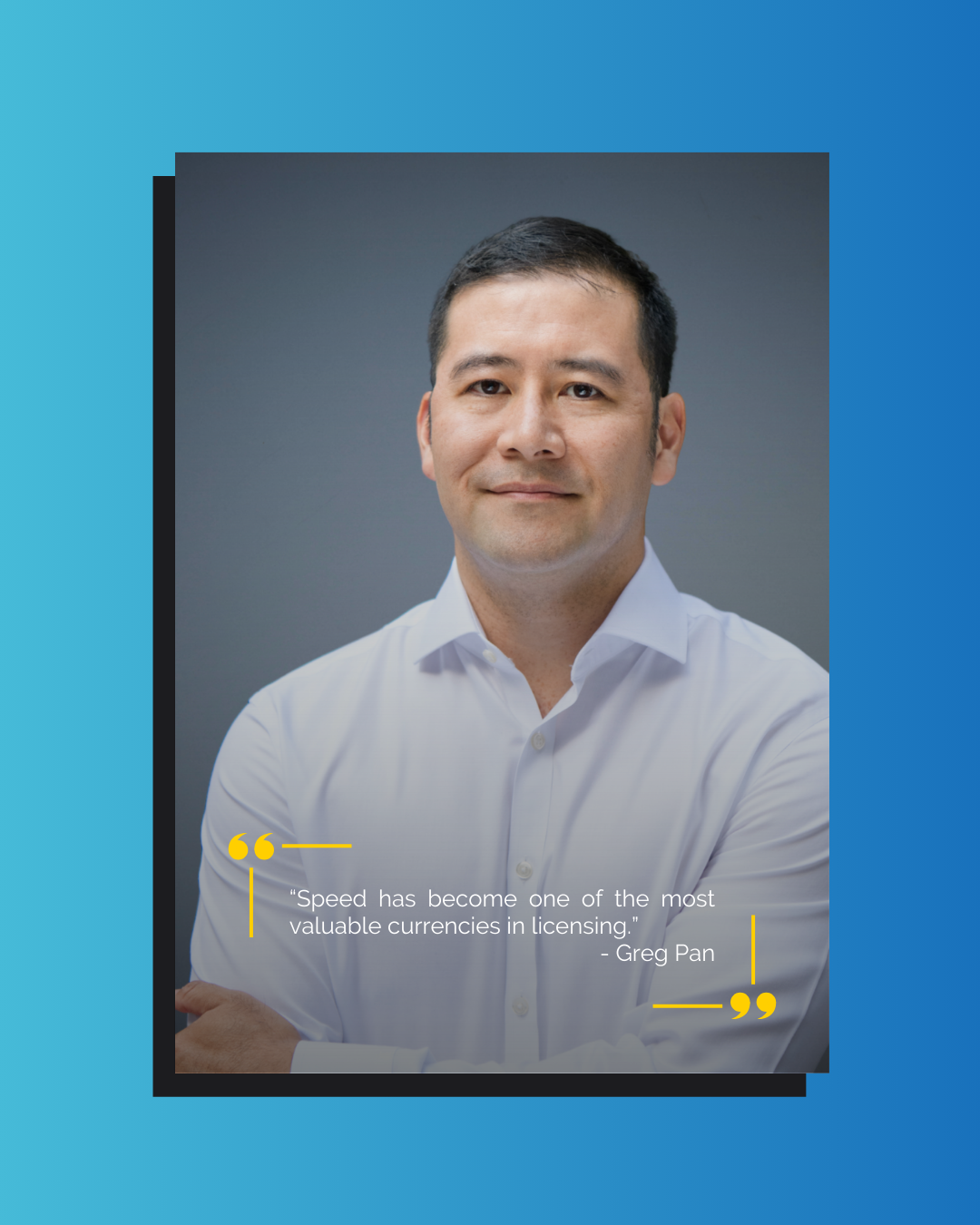
Ari Zebresky: Yeah, and I think that's really what Dylan was referring to with just the Negosh’s nature. Let's not even talk about the Negosh specifically, but the nature that this industry needs to be in. I think the gap that Negosh built is speed, is speed of trends, speed of IP, because these trends, they come and go fast.
And I think that e-commerce actually is the answer to a lot of these woes because with e-commerce you don't need to rely on a retailer to move so quickly to actually get an Ikea to work with. So, I think that's an interesting dynamic as well where e-commerce may just be the mechanism for these highly trendy brands to at least experiment, brands have staying power then you know then they'll move into retail in a very natural way.
David Schnider: Are there any properties that you guys individually are excited about whether they're on Negosh or not?
Ari Zebresky: Chiikawa and Mofusand. I'm very excited about those.
Greg Pan: We know the people there.
Ari Zebresky: The spiral kids, very excited. Highly optimist. I think that property is going to be absolutely amazing. I see them potentially being, that that next Japanese IP. Thankfully, these IPs are also on the Negosh platform, which is great. But so, if you are interested, please feel free to inquire on that same token.
I would say that one that I previously mentioned, Brainrot is an interesting one because there's a lot of counterfeit product that exists in this world for that IP - they're all being taken down so there's going to be a lot of room for officially licensed IP and their traction and recognition is pretty incredible. So yeah, I would say those are kind of the IP to keep an eye on.
Greg Pan: On the category side, you seeing, and we talked about AI already, like kind of like the keyboards, are you finding new categories that are popping up that non-traditional that are growing and working very well for licensing?
Ari Zebresky: Yeah, I mean, of course you probably heard it a thousand times, UGC creators, right? So, like, but you're probably used to hearing Roblox. We really prefer to work in the Fortnite world. We have partners that work in Roblox, but for us, Fortnite is kind of where we have found our niche in licensing because the, actually, creator funds that get paid out are substantial if you get a hit game. We created a game with Bob Ross and it was one of the, I think, like top 20 game within 24 hours or 48 hours.
It's pretty incredible when you attach an official IP to one of those UGC worlds. And I would say that consumer driven AI is interesting. So, we have companies that utilize artificial intelligence within their digital products that are not particularly AI companies. They are consumer focused companies that just happen to use AI.
That's something that we've seen. So, like we have a company that has struck many deals that do little widgets on your computer to - kind of think of Clippy, but, you know, a licensed AI version of Clippy that knows everything about your day to day. So, yeah, I would say that's something to keep an eye on as well. That's very interesting. And of course, the LBE space is consistently growing. It's always outpacing the rest of the industry. There's always a desperate need to get in touch with your fans directly and LBE serves that purpose.
Greg Pan: Ari and Dylan, thank you so much for joining us on the podcast. It's great to hear what's been going on in the Negosh. This is an excellent tool that I think a lot of licensees and licensors trying to get into this space, especially if you're a newer brand or a newer manufacturer or product company should really look into this to kind of see how you can use this to enter the licensing space where traditional methods are a little bit more difficult. You need a little more experience or connections to do so. So, it's a really interesting platform that new companies as well as existing companies should be looking at to see how it can help create new verticals for the business and reach new audiences. So, thank you both for joining us today. It great to catch up with you guys, talk a little about what's happening in your world, what's going on licensing.
But again, you've been great, great guests and it's going to be very exciting to keep an eye on what's happening with the Negosh, how you continue to change and add new features to the whole industry.
Dylan Karofsky: Thanks for having us.
Ari Zebresky: Awesome, thank you so much.
Greg Pan: Thank you both.
Announcer: Thanks for listening to the Licensing Exchange. If you enjoyed the show, please share with others and kindly rate and review us on your favorite podcast platform. For more information on how we can help with your own legal needs, check out our services at nolanheimann.com. That's N-O-L-A-N-H-E-I-M-A-N-N.com.